Melghat Tiger Reserve – Exploring the Wilderness of Vidarbha
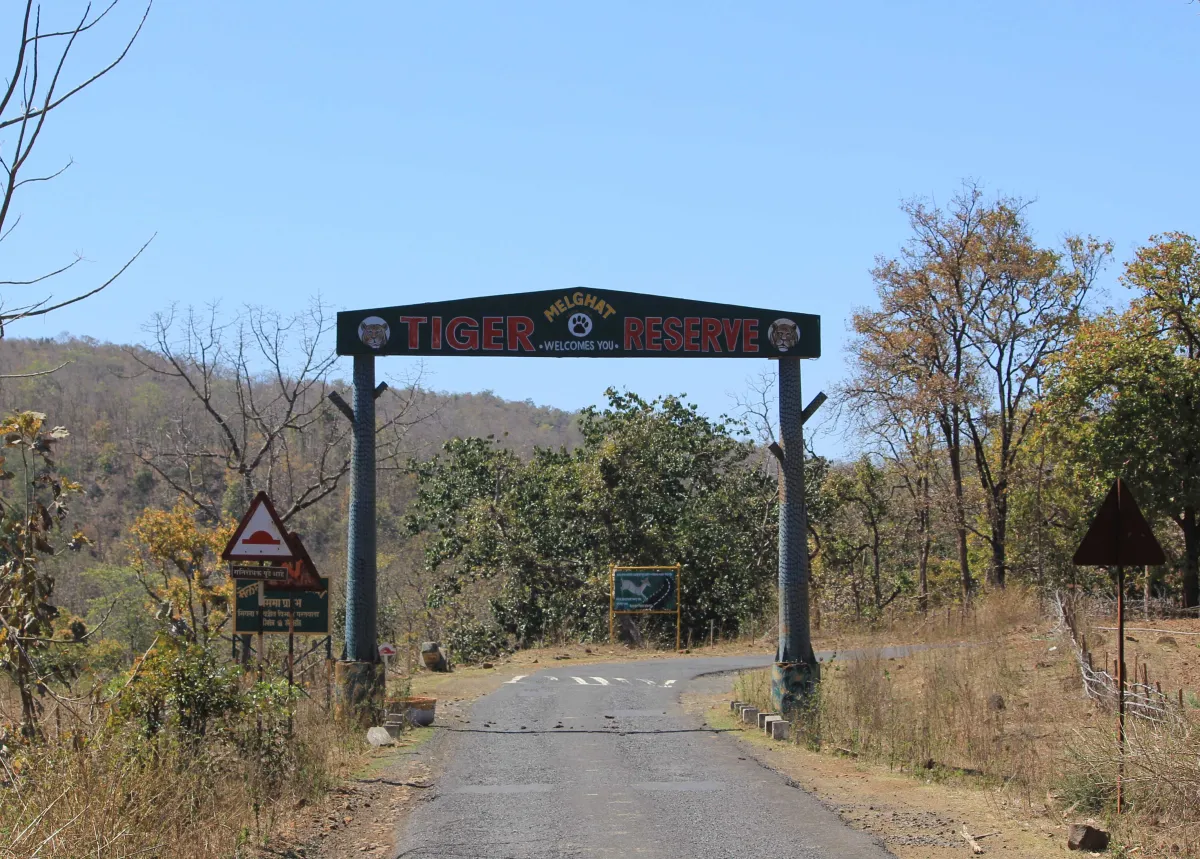
Melghat occupies part of the Satpura landscape in Maharashtra. It is a better fit for an overnight itinerary than for a rushed wildlife day out from Nagpur.
Quick information
- Location
- Amravati district, Maharashtra
Melghat occupies part of the Satpura landscape in Maharashtra. It is a better fit for an overnight itinerary than for a rushed wildlife day out from Nagpur. Select the tourism zone and entry point before making lodging or transport arrangements.
Keep zones distinct
Use the reserve information linked by the National Tiger Conservation Authority to confirm current tourism options. If you want to combine Melghat with Chikhaldara, map the actual drive between your lodging, the booked gate and any viewpoint. Proximity on a small map can hide significant travel time.
Plan for the weather
Leave daylight for hill and forest approach roads. Check seasonal openings and arrival instructions, and have a town-based alternative if mist or rain changes the plan. A public hill-station viewpoint requires a different plan from a regulated forest drive.
What kind of landscape is Melghat?
Melghat lies in the Satpura country of Amravati district. Maharashtra Tourism describes the Tapti along the reserve’s northeastern boundary and several tributaries in the area. Hills, river valleys and wooded slopes help explain why travel between two places that look close on a map may take longer than expected. The landscape is part of the reason to visit, independent of sightings.
Think of your first trip as a small part of a large reserve. A confirmed tourism zone gives you a route and a set of rules. It does not give you general access across the wider forest. Make one official experience the anchor of the weekend. Leave places that require a different permit, road or overnight base for another trip unless you can plan them properly.
Choosing a gate and lodging
Use the National Tiger Conservation Authority’s reserve directory and follow the current operator information for Melghat. Select an activity and a date, then identify the place where you must report. Check which charges cover the permit, guide, vehicle or other services. Confirm whether the names and documents on your booking must match the people arriving. Save the booking and gate directions before going into areas where mobile coverage may be variable.
Ask your accommodation about the journey to the actual reporting point. A room listed under Melghat can be an excellent choice for one route and inconvenient for another. Give the property the gate name and the scheduled start, and ask about an early breakfast, checkout and transport. If you are using a hired driver, confirm that the timing works and who is responsible for any final pickup after the activity.
How to combine Melghat and Chikhaldara
Chikhaldara can be part of a longer plan, particularly if your party wants a viewpoint or town stop as well as a reserve experience. Keep the two activities separate on the itinerary. Map the road between your lodging, the reserve reporting point and the town rather than relying on a single distance to Melghat. If the gate requires an early start, put the viewpoint on another afternoon when you have flexibility.
A useful two-night arrangement is to travel in daylight, visit one planned attraction the next day, and leave a flexible morning before the return. A single night can work if you choose a convenient base and make the forest activity the only fixed commitment. Do not add a tight second drive through the hills just to reach another gate on the same day.
Hours, season and what to bring
Check opening dates and the activity’s reporting window before paying for transport. Monsoon weather and road conditions can change visitor arrangements. Ask how the operator handles a closure and confirm what is open nearer your travel date. During clear conditions use public lookout points where permitted. In mist or rain, stay away from exposed slopes and skip a viewpoint when the road approach is unsuitable.
Pack water, layers and secure bags as permitted by the operator. Carry identity documents if the booking requires them. Ask about toilets and places to buy food before entering the area. The terrain or vehicle can be challenging for someone who needs a step-free approach, so discuss boarding and walking conditions with the operator before booking.
What to notice on a forest visit
Watch for changes in vegetation as you move between ridges and valleys. Ask your guide what signs they use to recognise animal activity, and let them decide where it is appropriate to stop. A bird call, movement in the canopy or a track in soft ground can tell you something even when larger animals are hard to see. Keep noise down, respect barriers and leave wildlife space.
When planning the return to Nagpur, keep daylight for unfamiliar sections of road. Have a meal before a long stretch if this is more comfortable for the group. Leave time to adapt if the activity ends late. A reserve weekend works better with one good visit and an unhurried journey than with several stops that depend on ideal conditions.
Related guides
Explore Around Nagpur →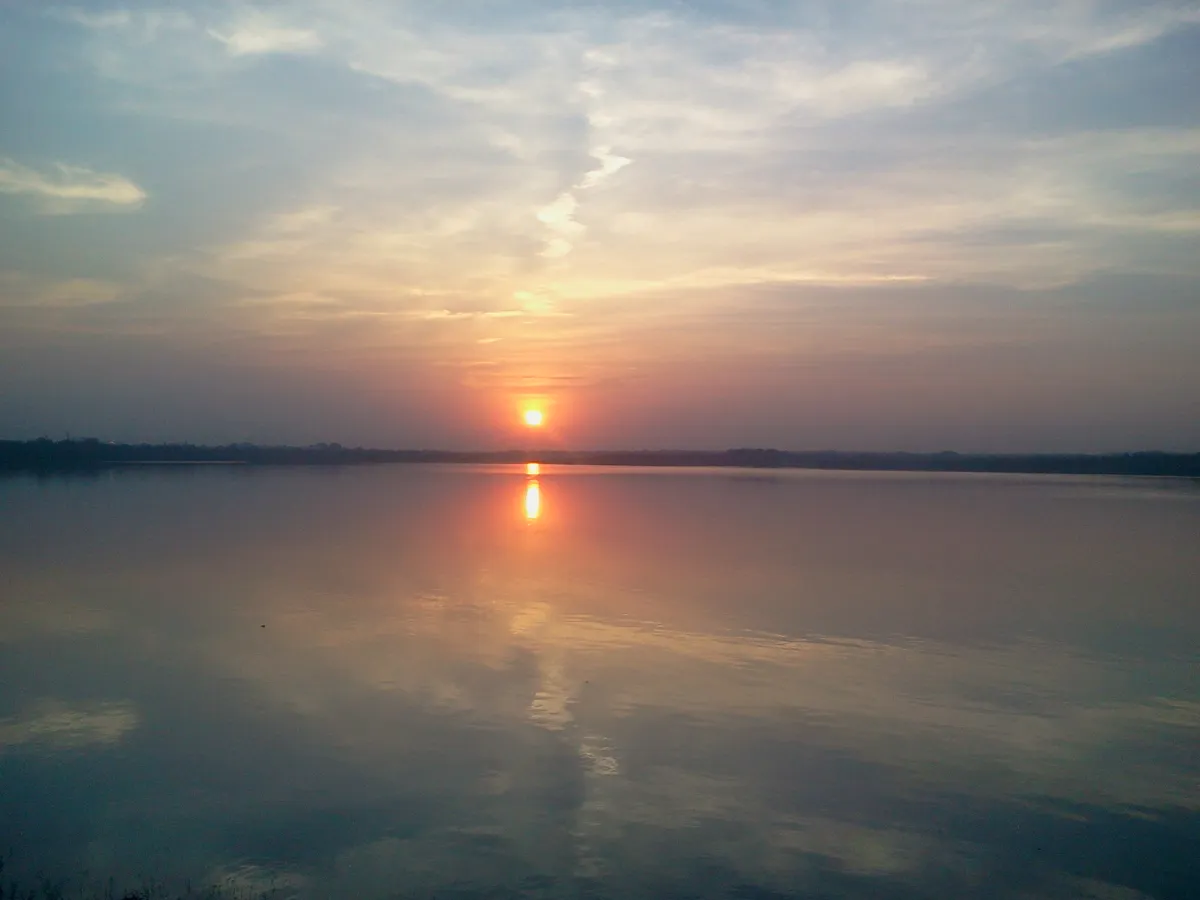
Best Places to Visit Near Nagpur During Monsoon
Nagpur’s monsoon plans work best when they have a confirmed indoor option and a flexible outdoor stop. Use Raman Science Centre or Central Museum as a city anchor…
Read more →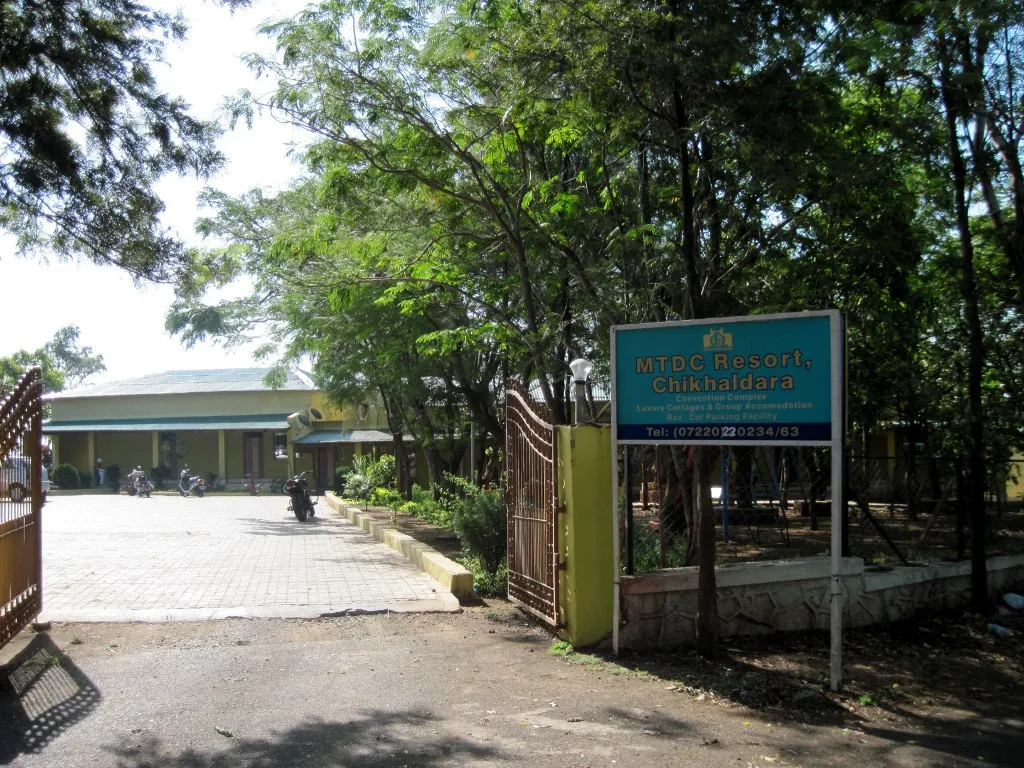
Where to Base a Family Weekend Near Nagpur
Choose the area before choosing a resort. A family spending the weekend on the property needs different things from a group that will leave before breakfast for a…
Read more →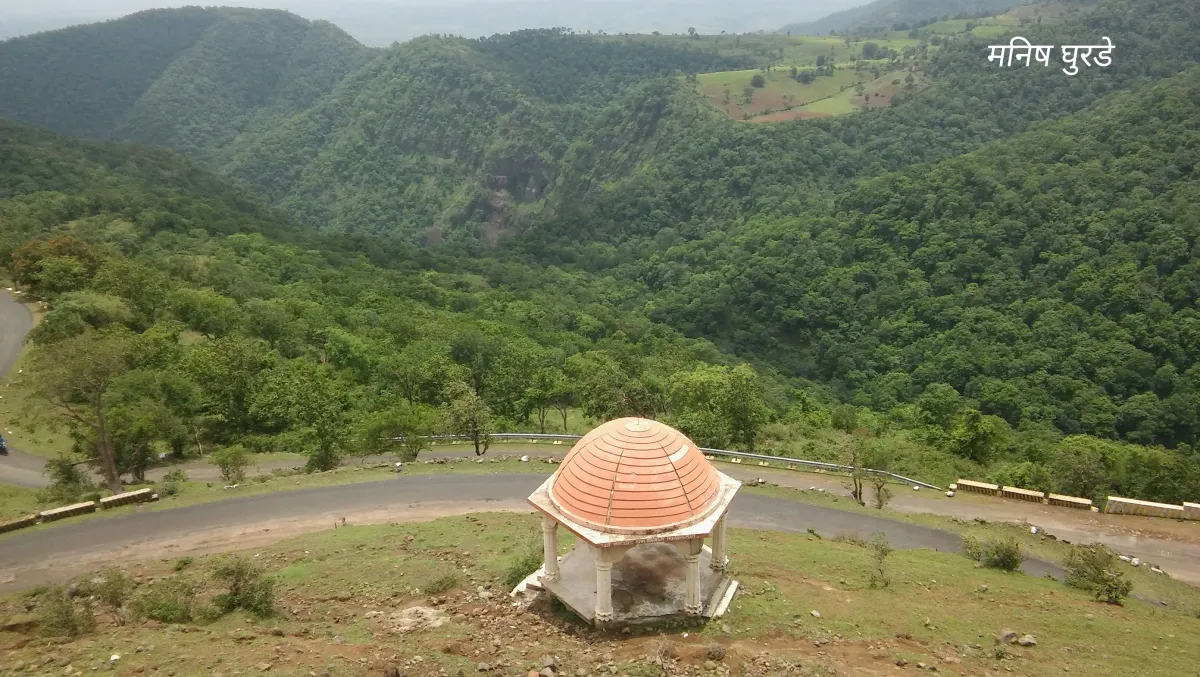
Chikhaldara Hill Station – A Complete Weekend Travel Guide from Nagpur
Chikhaldara is a hill station in Amravati district in the Satpura landscape. Maharashtra Tourism places it at approximately 1,118 metres above sea level. From…
Read more →