Why Nagpur Is Called the Orange City – History, Oranges and Local Culture
Nagpur is called the Orange City because of its association with the Nagpur orange, a mandarin.
Nagpur is called the Orange City because of its association with the Nagpur orange, a mandarin. The national One District One Product entry explicitly connects the fruit with the nickname. Nagpur district also identifies oranges as a district product.
City name and growing region
The fruit name is associated with Nagpur, but the growing area extends beyond the city. India’s geographical indications registry lists the geographical area for Nagpur Orange across Maharashtra and Madhya Pradesh. The distinction is useful when buying fruit. Ask where the batch was grown rather than treating an urban market address as the farm location.
Fruit, sweets and processed products
A fresh mandarin and a box of santra barfi are two ways to experience the association. For fresh fruit, ask the seller about the current batch and taste a small quantity if possible. For sweets and processed products, check the ingredient list, shelf life and storage directions. Orange flavour and the identity of a fruit variety are different kinds of information.
The name comes from a fruit and a regional trade
The National Portal of India traces the nickname to the Nagpur orange, a mandarin known for juicy pulp and a textured rind. Nagpur is the name people recognise in markets and food guides, and it is also the name of the district that promotes oranges through its One District One Product programme. The nickname makes more sense if you see the city as a meeting point for a regional crop, sellers and food traditions. It does not mean the fruit is grown only inside the city.
To understand the association on a visit, look for three different things: fresh fruit offered by a seller, a sweet made or flavoured with orange and a packaged product carrying its own label. Each has a different identity. Fresh fruit comes from a specific batch. A sweet carries a recipe. A processed product describes a manufacturer’s ingredients and handling instructions. Seeing those distinctions explains more about the Orange City than simply counting signs with oranges on them.
What the geographical indication means
The Intellectual Property India registry records Nagpur Orange as a registered geographical indication for agricultural goods. The register lists Maharashtra and Madhya Pradesh as the geographical area and identifies Dr Panjabrao Deshmukh Krishi Vidyapeeth as the applicant. That is useful when tracing the product’s identity. It establishes more than a city slogan and helps explain why a fruit associated with Nagpur may be grown beyond the city and district.
A geographical indication and a shop’s location answer different questions. A vendor may sell local and non-local fruit side by side. Likewise, a fruit may be transported from its growing area to be packed or sold elsewhere. If origin matters to you, ask where the current lot came from and whether the seller can identify the variety. Packaging with the city name is a place to begin asking questions, especially if it tells you who packed or marketed the fruit.
When to look for fresh oranges
The national product overview describes a harvest beginning in December for the crop it discusses. That gives you a useful starting point for planning around fruit rather than sweets. It is a guide to seasonality, not a promise about stock at a particular market. Ask sellers about the day's batch, since availability, variety and quality depend on current supply and handling. At any time of year, look for a clearly described origin rather than assuming the first orange you see is a Nagpur mandarin.
If possible, buy a small quantity to taste before committing to a large bag. Compare the flavour and juiciness of the actual batch. Ask how the fruit has been stored and when it should be eaten. If you will travel the same day, choose a quantity you can pack without crushing it. A box of fruit packed for an onward journey is a different purchase from a few mandarins you will eat during the visit.
What to ask at a fruit stall
Start with the variety, source and price per unit or weight. Ask whether the fruit you sample comes from the same batch as the bag you intend to buy. Ask for the total price before a large quantity is packed. For a food outing in Nagpur, make shopping for fruit the last stop if you will be walking elsewhere or carrying a bag in heat.
What to check on a packaged product
Check the ingredient list, manufacturer, storage advice and date information. Fruit flavour alone does not tell you how much fruit a product contains or where the fruit was grown. If you need a product to travel unrefrigerated, ask about that specifically. Buy what suits your trip rather than assuming all orange products keep the same way.
Santra barfi and Nagpur’s food culture
Santra barfi is a useful comparison with the fresh fruit. It is associated with the city in tourism material, but individual shops may use different recipes. Ask whether the sweet contains milk solids, other ingredients you avoid, and how long it will keep. Buy a small piece or small box first. You can then decide whether to take more home and how best to carry it.
For a short food day, start with tarri poha, leave the main meal for a curry or regional thali and make the orange tasting a separate last stop. That itinerary brings together several local associations in a few hours. If you are more interested in produce than sweets, spend time with a fruit seller and take home a small selection from a batch you have tried. If buying a gift, the seller’s packing and storage advice is more useful than trying to find the largest available box.
A practical Orange City itinerary
Start at a breakfast counter or café whose current hours you have confirmed. Choose one city sight for the rest of the morning. Zero Mile works as a quick outdoor stop, while Central Museum is a better choice if you want a longer indoor visit. Finish at a market or sweet shop near your route back. This order lets you buy fruit when you can take it straight to your accommodation or on to the next part of your journey.
If travelling by train or road, ask about packing and weight before paying. Avoid adding a second market solely to compare an unverified price. Use current information about hours and transport, and keep the trip flexible around the fruit actually being sold. The point of the outing is to see how a named crop becomes part of city life, from fresh fruit to the foods people associate with Nagpur.
Related guides
Explore Around Nagpur →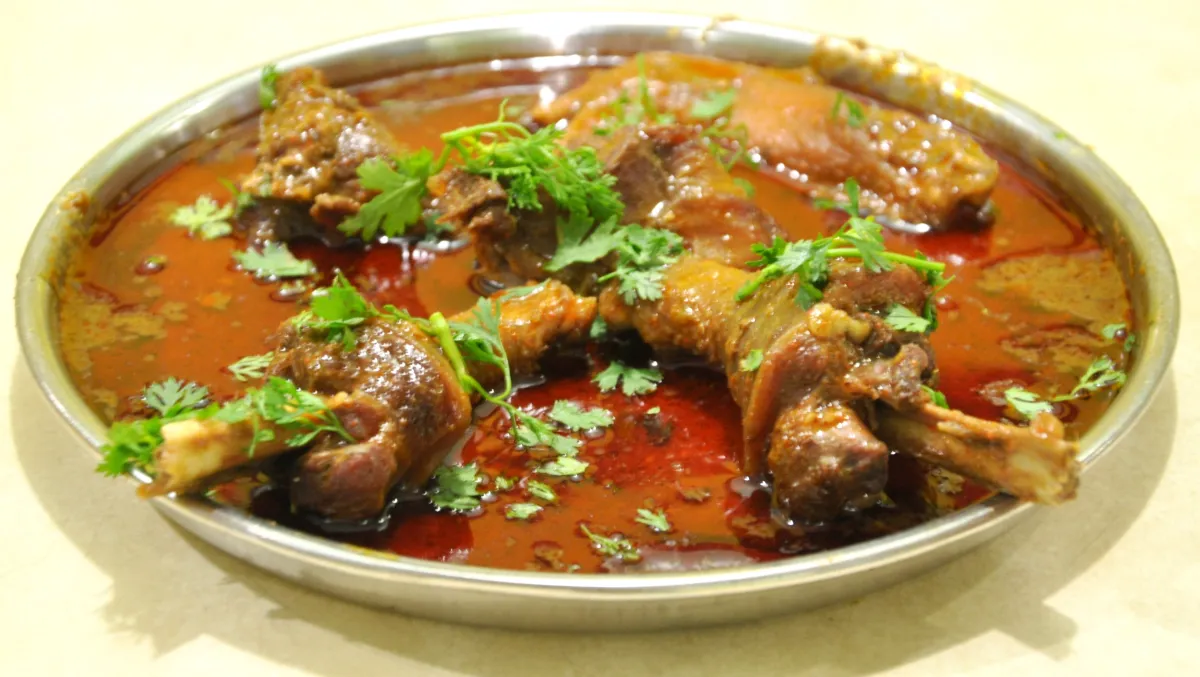
15 Famous Foods of Nagpur You Must Try
What to eat in Nagpur, from tarri poha and Saoji curries to patodi rassa, fresh oranges and santra barfi.
Read more →How to Choose a Saoji Restaurant in Nagpur
Nagpur is a good place to try Saoji cooking, which is known for intensely seasoned curries such as chicken, mutton and egg. Choose an outlet using a current menu…
Read more →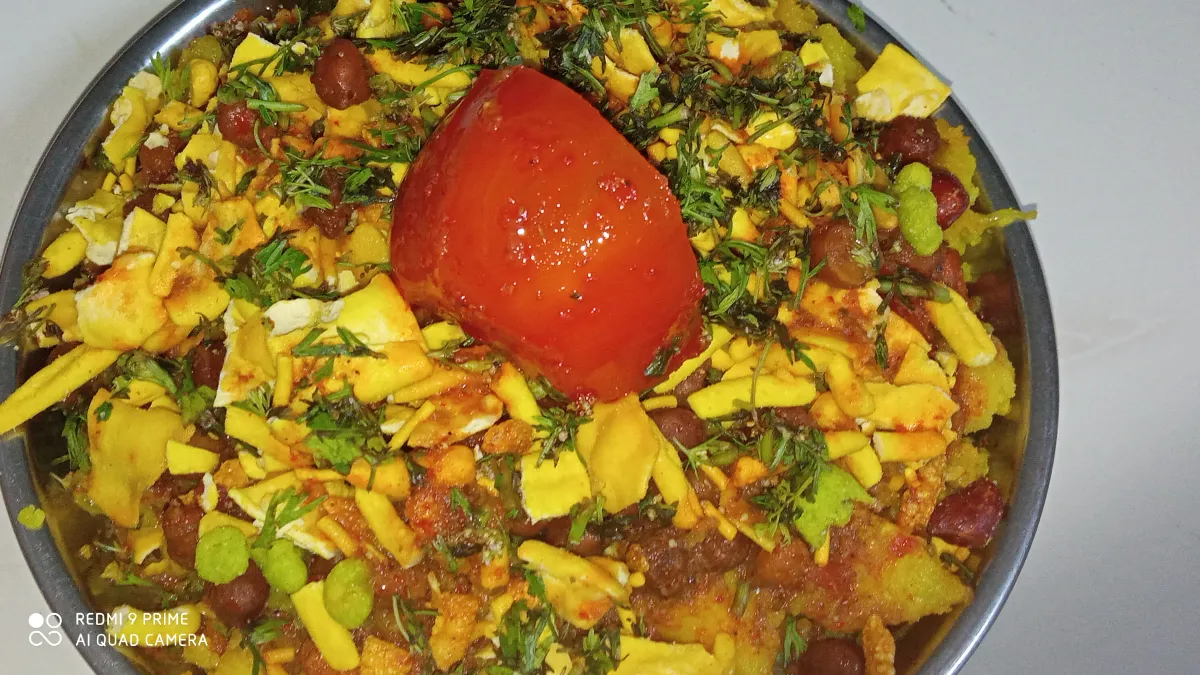
Where and How to Try Tarri Poha in Nagpur
Tarri poha is a Nagpur breakfast of flattened rice served with spicy gravy. A good first plate lets you taste the poha and tarri together, while still noticing…
Read more →