Central Museum Nagpur – Exploring the History of Central India
Explore Nagpur’s Central Museum in Civil Lines, with a practical route through archaeology, sculpture, painting and natural history.
Quick information
- Location
- Civil Lines, Nagpur
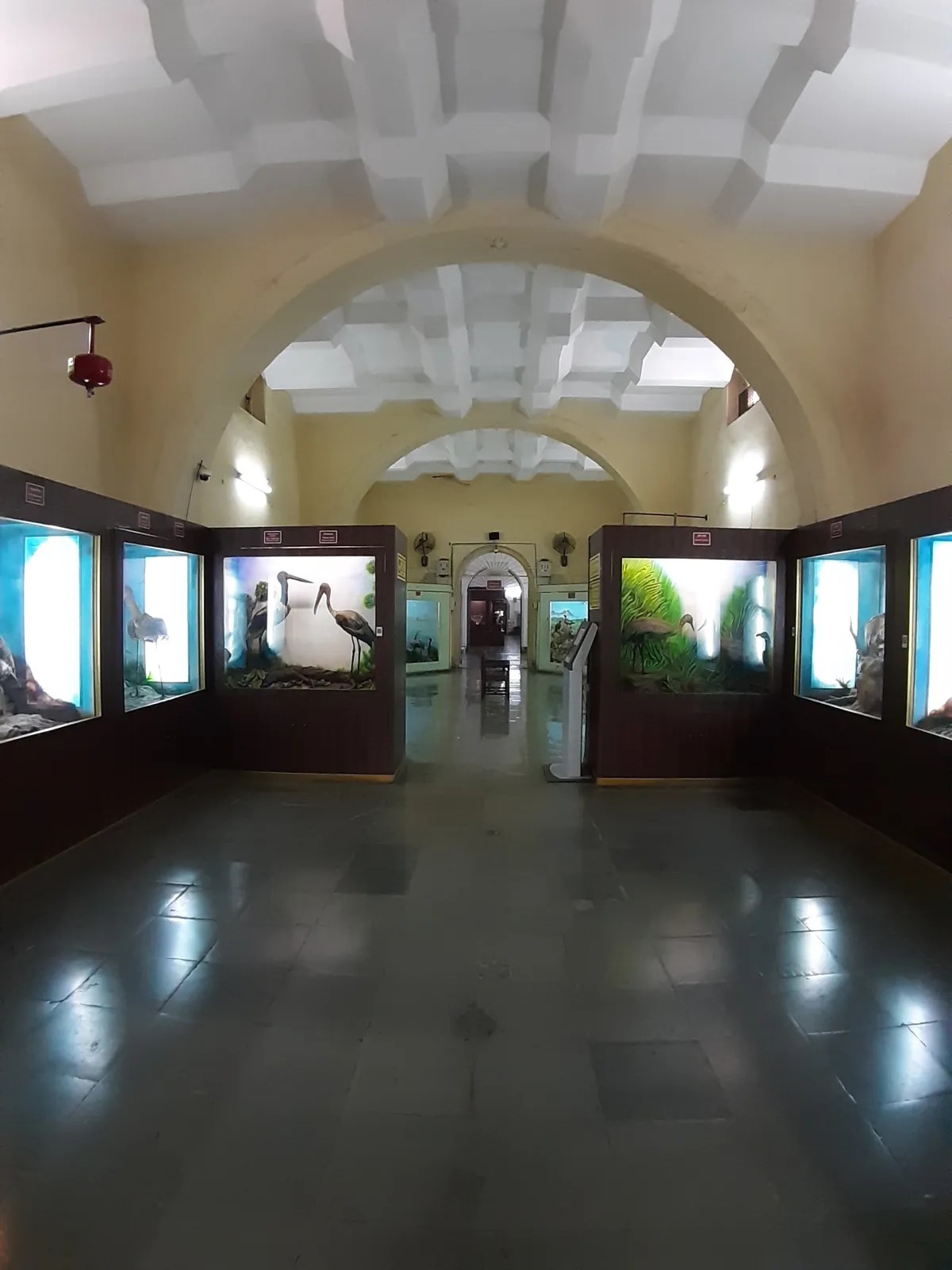
Nagpur’s Central Museum, also known as Ajab Bangla, is in Civil Lines. Its collections include sculpture, coins, inscriptions, textiles and archaeological material. Pick two or three subjects to explore deeply instead of trying to see every display in a single visit.
Why the museum is called Ajab Bangla
Incredible India identifies Ajab Bangla as an earlier name for the Central Museum. You may hear both names when asking for directions. The collection is particularly useful if you want to connect a Nagpur visit with the wider history of Central India. Archaeological objects from several places sit alongside sculpture, textiles and painting. A visit can therefore be organised around a question about the region rather than around a single building or dynasty.
Accounts of the museum’s nineteenth-century beginnings use slightly different dates, including 1862 and 1863 in separate tourism references. It is reasonable to describe the museum as having nineteenth-century origins. That difference is a reminder to read dates on exhibit labels with attention to what they refer to. A collection can have one founding date, another date for its first public opening, and another for moving to its present home.
What to look for in the galleries
Inscriptions and everyday records
An object with writing is a good introduction to the work behind a museum label. Notice what the writing sits on. Stone is heavy and can belong to a fixed structure, whereas a copper plate can preserve a different sort of record. The collections described by Incredible India include both stone and copper plate inscriptions. Ask where an object came from, whether the text can still be read, and what the label says about the people who commissioned it.
Coins, sculpture and archaeology
Coins are small enough to miss on a quick circuit. Give one case a few minutes. Compare the images, marks and visible wear across several examples. When you move to sculpture, look for details that help you read the piece at a distance, then step closer where permitted. If there are archaeological objects on view, ask what survived because of the material it was made from. It is a way to connect the fragments in a case with the ordinary activities that produced them.
Textiles, paintings and the natural history gallery
Look at the painted or woven surface as closely as the display allows. Ask which features communicate a scene or pattern from across the room and which become clear only up close. Natural history makes a change of pace when that gallery is open. Have someone in the group choose one exhibit to describe without reading its label first, then compare that description with the museum’s explanation.
How to plan the visit
Set aside about an hour for a first circuit, or longer if you want to read widely or are taking children at their own pace. That is an itinerary suggestion rather than a required visit duration. The opening window listed by Incredible India may change for holidays, maintenance or events, and a published closing hour does not establish last admission. Check the current ticket price, concessions and payment methods before going. Ask separately about step-free entry, accessible toilets and whether a lift is available on the route you need.
Travel to the Central Museum in Civil Lines by a route that reaches the public entrance. If you are coming from the railway station with luggage, ask about bag rules or arrange to leave your bags elsewhere. Photography permission can differ between galleries. Follow the posted rules even if you see another visitor using a phone.
An indoor morning in central Nagpur
Start with the gallery that matters most to your group. Choose a second gallery after a short break and leave time for something unexpected. If you are combining the visit with Zero Mile Stone, put the museum first when admission hours are the stricter constraint. Use the monument as a short outdoor follow-up. Both sites invite the same question in different ways: how do physical records tell the story of a place?
If your group prefers an activity-led visit, put Raman Science Centre on another morning or leave enough time for a booked programme. For a meal, plan a stop around your onward journey and keep food outside gallery areas unless the museum expressly permits it. On a hot or rainy day, leave extra time for a cab or a covered pickup point between the two destinations.
A route through the collections
Start with an inscription or a coin. Identify the material, the approximate period and what the object tells you about its makers. Move to larger sculpture and compare what a freestanding object communicates with what is written on a label. With children, ask them to choose one object they could explain to someone who has never seen it.
Hours and nearby stops
Incredible India lists 10 am to 5 pm with Monday closure. Confirm holidays, last admission and gallery access with the museum before visiting. Check whether bags or photography are restricted. Combine the museum with Zero Mile for a half-day introduction to central Nagpur.
Frequently asked questions
What is Ajab Bangla?
It is another name for Nagpur’s Central Museum.
When does the museum open?
Incredible India lists 10 am to 5 pm and Monday closure. Confirm holidays and last admission directly.
What collections can I see?
Tourism references describe sculpture, coins, inscriptions, paintings, textiles and archaeological objects. Check which galleries are open.
How long should I allow?
Start with around an hour if you want to see a few galleries, with more time for a detailed visit.
What can I visit nearby?
Zero Mile Stone works well as a short outdoor stop after the museum.
Information sources
Related guides
Explore Around Nagpur →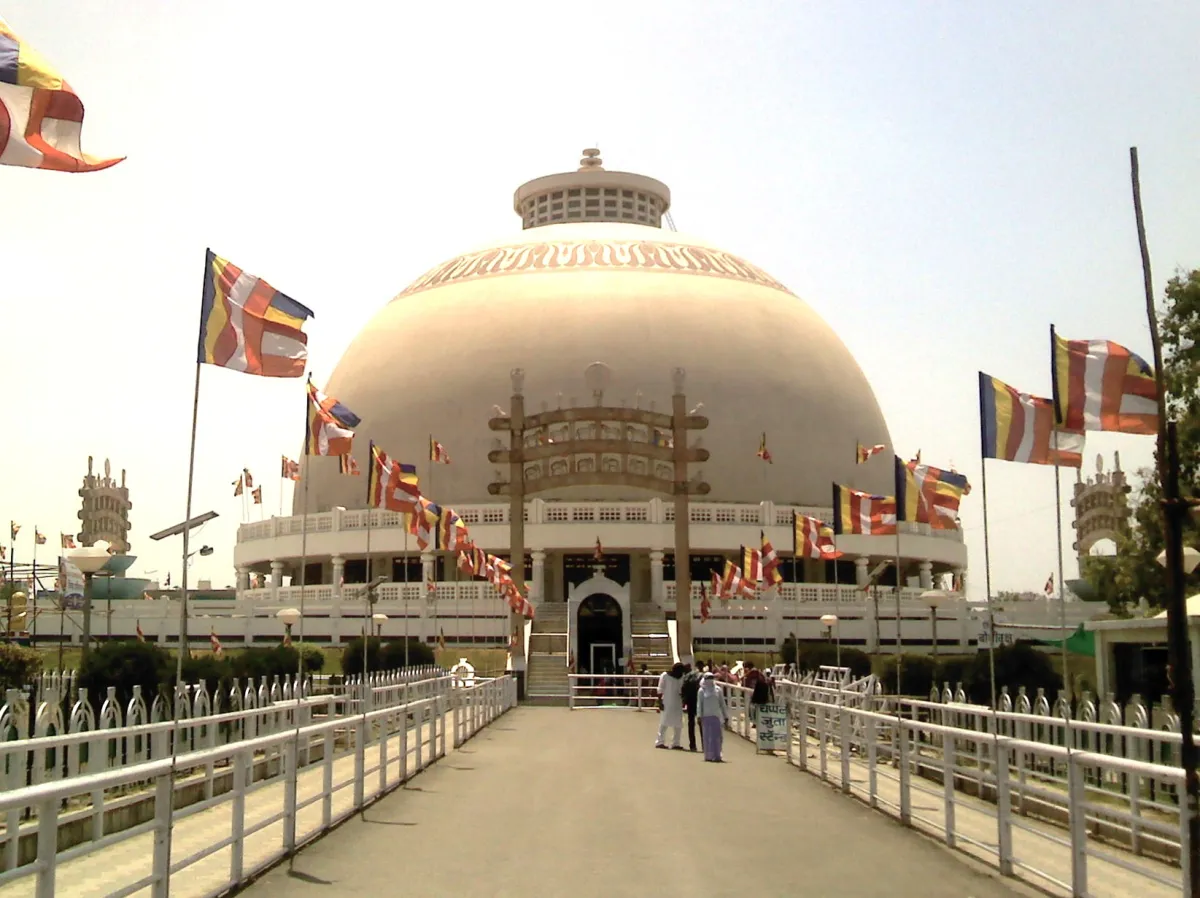
30 Best Places to Visit in Nagpur – Complete Tourist Guide
Pick one part of Nagpur for your first outing. Families can centre the day on Raman Science Centre, history visitors can pair Zero Mile with Central Museum, and…
Read more →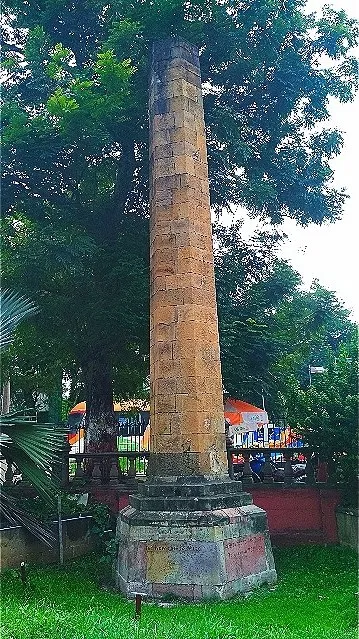
Zero Mile Stone – The Story Behind Nagpur's Historic Landmark
See Nagpur’s Zero Mile Stone near Vidhan Bhavan and learn how its sandstone pillar, horses and distance inscriptions relate to historical surveying.
Read more →Deekshabhoomi Nagpur – History, Significance and Visitor Guide
Plan a visit to the Nagpur stupa where Dr B. R. Ambedkar embraced Buddhism in 1956. Compare ordinary visits with pilgrimage days.
Read more →