Deekshabhoomi Nagpur – History, Significance and Visitor Guide
Plan a visit to the Nagpur stupa where Dr B. R. Ambedkar embraced Buddhism in 1956. Compare ordinary visits with pilgrimage days.
Quick information
- Location
- Ramdaspeth, Nagpur, Maharashtra
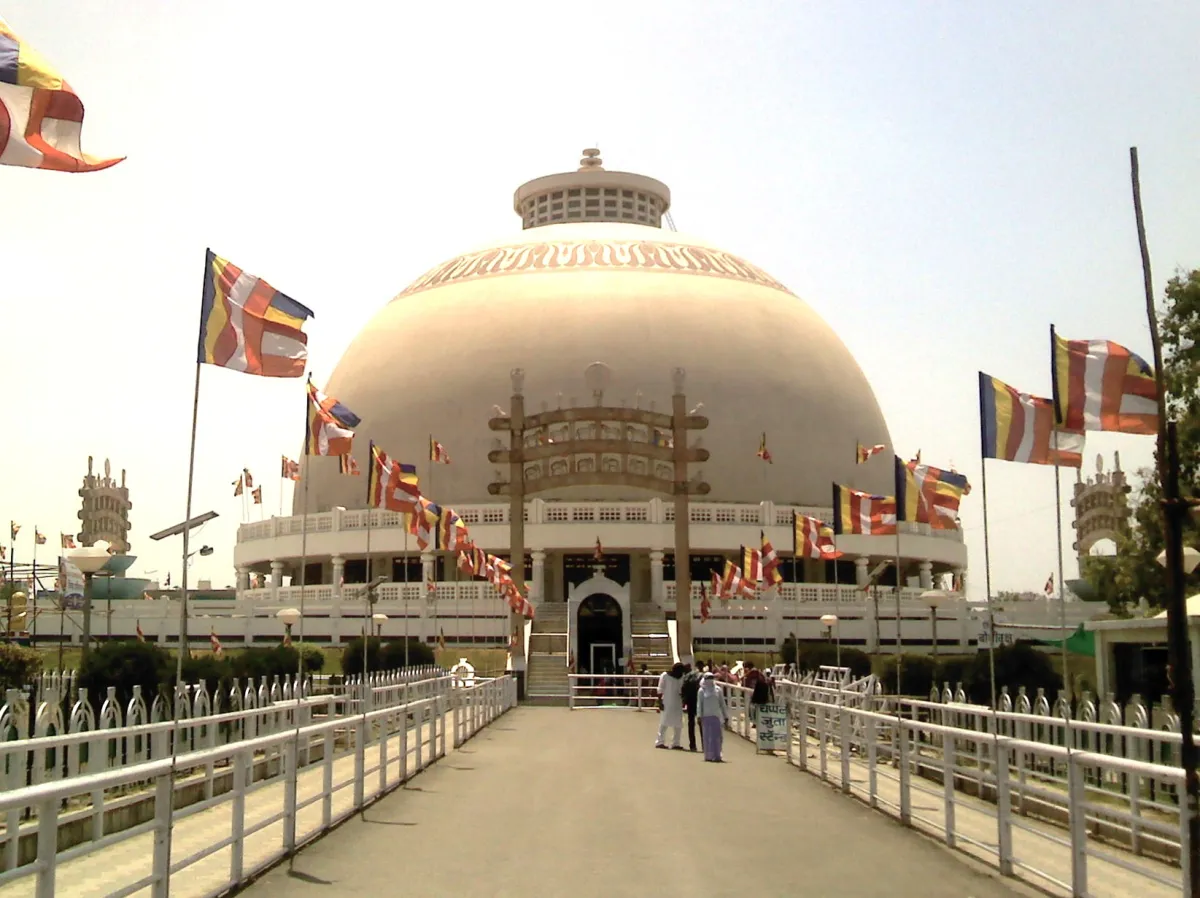
Deekshabhoomi is the Nagpur site where Dr B. R. Ambedkar embraced Buddhism on 14 October 1956. The stupa now marks that event, and the grounds are both a pilgrimage destination and a place to learn about a turning point in modern India. If you are visiting for the first time, allow time to understand the history before you arrive and to walk the grounds without rushing to the next stop.
What happened at Deekshabhoomi?
The district administration records the conversion ceremony at this site in October 1956, when Ambedkar and a large gathering of followers embraced Buddhism. Estimates of the number of people present vary, so the date, place and significance are the more useful facts to remember. Ambedkar had campaigned against caste discrimination for decades. The decision to embrace Buddhism is understood in that context, which explains why the site matters beyond its architectural interest.
The name comes from words associated with receiving initiation and with the ground where it took place. As you walk towards the stupa, keep the event itself in mind. You are approaching a monument that commemorates a public act and a living religious tradition. That combination is also why a quiet weekday visit and a major pilgrimage day can feel like very different experiences.
What to see on a first visit
Start outside the stupa and pause where you can take in the shape of the building without blocking the main approach. As you get closer, take time to notice the scale and symmetry of the structure. If signs or staff direct visitors along a particular route, follow that route. The available access can differ with ceremonies and crowd arrangements.
Continue through the publicly accessible grounds. Leave space near prayer areas and give groups room to assemble or pass. If you want to photograph the stupa, start with a wide view from a place where stopping is permitted. Ask before photographing participants in religious observances or taking pictures indoors. It is possible to have a worthwhile visit even if an interior area is closed.
Where it is and how to reach it
Deekshabhoomi is in Nagpur city, in the Ramdaspeth area. Use the specific attraction name when booking an auto or cab and check the entrance pin before setting out. If you are coming from Nagpur Railway Station, allow for city traffic and identify where you will meet your driver on the return trip. If you are using public transport, check the final walk from the stop to the entrance, especially if anyone in the group has limited mobility.
For a city day out, combine Deekshabhoomi with the Zero Mile Stone if you want a second historical stop. The two places tell quite different stories. One commemorates a major social and religious event. The other is a reminder of how roads and distances were marked. If you are travelling with children, choose one question to explore at each site rather than trying to cover several years of history in one outing.
Hours, fees and event-day access
Confirm current hours, any admission arrangements and the accessibility of interior areas before you leave. The district’s historical overview establishes the date and significance of the site, but visitor arrangements can change for ceremonies and other events. If you are planning a visit around Ashok Vijaya Dashami or 14 October, check for announcements close to the date.
For an ordinary sightseeing visit, pick a day when you can arrive with some flexibility. Pilgrimage days suit visitors who specifically want to be present for the commemoration and are prepared for larger crowds. On those days, agree on a meeting spot with your group and check whether the usual taxi drop-off will be available. Carry the essentials you need for the walk, especially if the approach is longer than usual.
A suggested half-day itinerary
Read a short account of the 1956 ceremony before leaving your accommodation. At Deekshabhoomi, start with the exterior, walk the public grounds, and allow extra time for any exhibits or interior spaces that are open. Afterwards, stop for a meal in the city. If the group still has time and energy, continue to Zero Mile. If the purpose of the trip is pilgrimage, keep the afternoon free so there is room for changes in the programme.
Planning a respectful visit
Dress with the setting in mind and follow posted instructions on footwear and photography. Keep your group together near entrances, particularly during commemorations. If someone has difficulty with steps or extended standing, ask staff which areas are accessible that day and arrange a drop-off that minimises walking. For an overnight stay, select accommodation for its access to your wider Nagpur itinerary and arrange the visit from there.
The same visit can work well as an introduction to Ambedkar for younger readers. Ask them what the monument commemorates and why people continue to gather there. That gives the architecture a historical context they can take away.
Frequently asked questions
Why is Deekshabhoomi important?
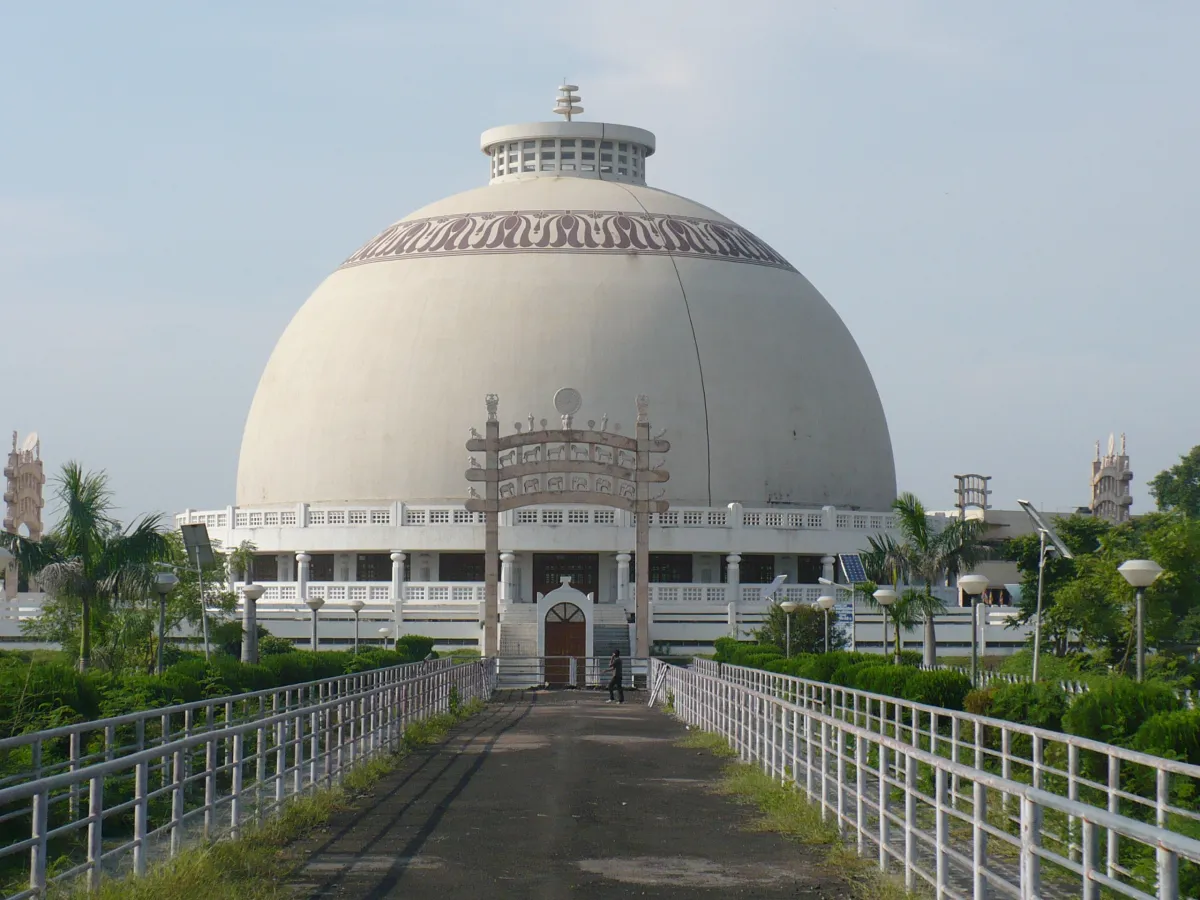
It marks the site where Dr B. R. Ambedkar and a large gathering of followers embraced Buddhism on 14 October 1956.
What is the main attraction?
The stupa commemorating the conversion is the main landmark. Ask on arrival which interior spaces and grounds are open.
When do large crowds gather?
The district guide identifies Ashok Vijaya Dashami and 14 October as major pilgrimage dates.
Is photography allowed?
Check notices and ask before taking photographs indoors or photographing religious observances.
Can I visit Dragon Palace Temple on the same day?
Yes, if you have confirmed opening arrangements and leave time for travel between Nagpur and Kamptee.
Information sources
Related guides
Explore Around Nagpur →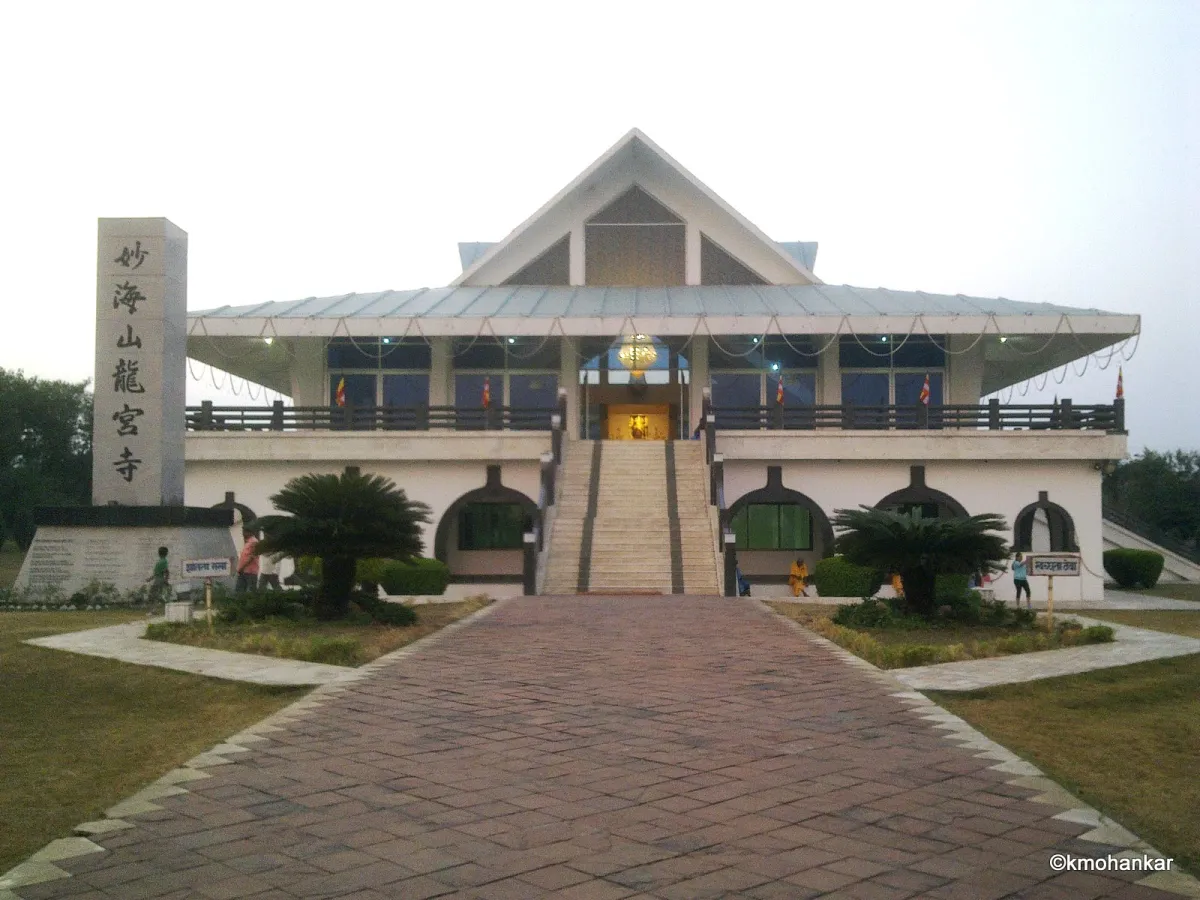
Dragon Palace Temple Kamptee – A Beautiful Buddhist Landmark
Visit Dragon Palace Temple in Kamptee with practical advice on temple etiquette, getting there from Nagpur and pairing it with Deekshabhoomi.
Read more →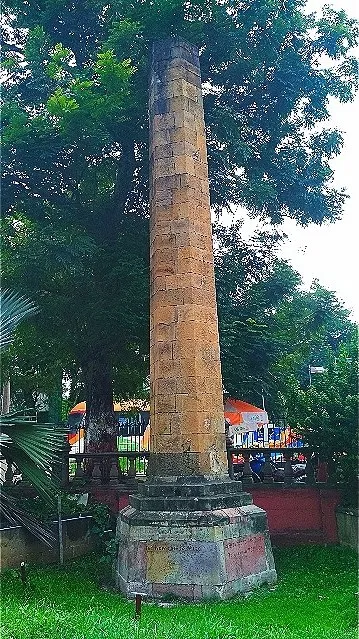
Zero Mile Stone – The Story Behind Nagpur's Historic Landmark
See Nagpur’s Zero Mile Stone near Vidhan Bhavan and learn how its sandstone pillar, horses and distance inscriptions relate to historical surveying.
Read more →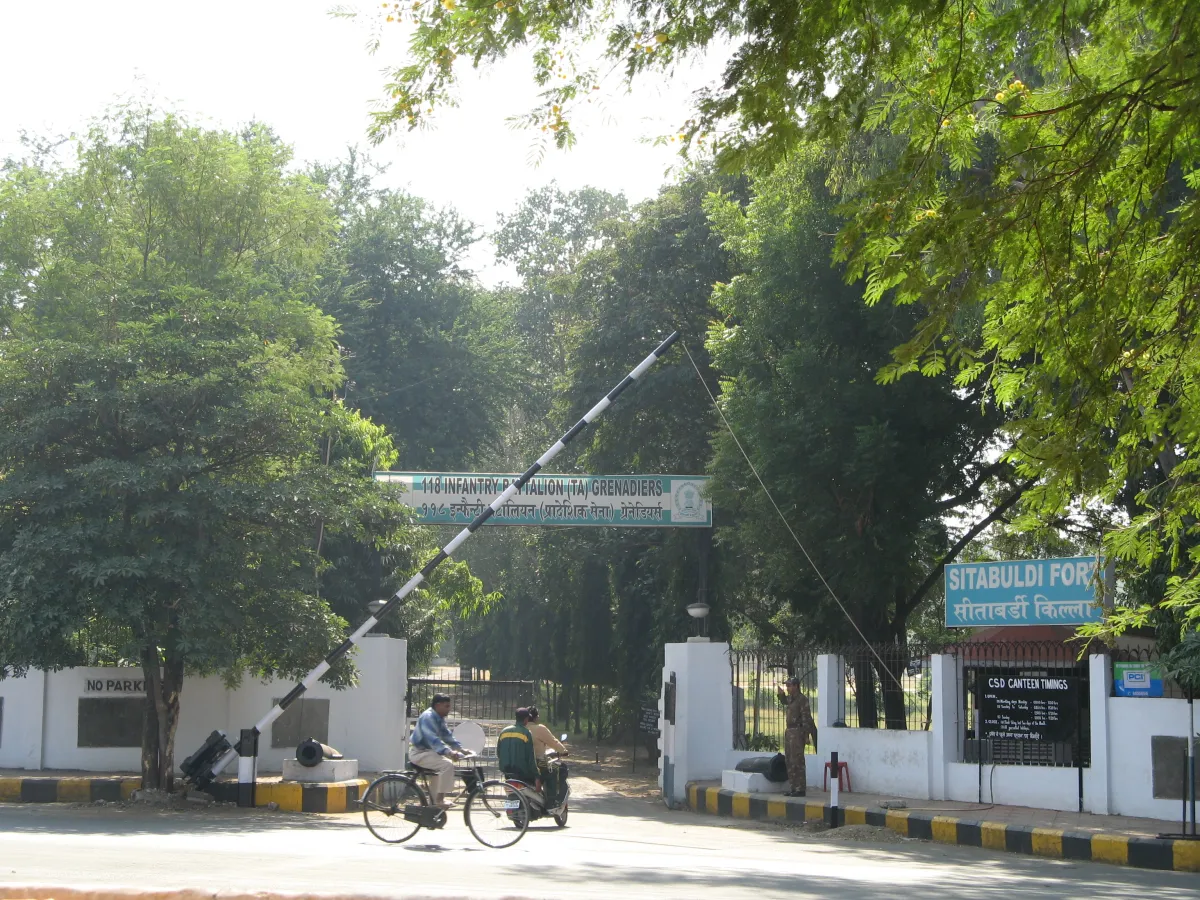
Sitabuldi Fort – Exploring Nagpur's Military Heritage
Learn about the 1817 Battle of Sitabuldi and how to plan a visit to the historic hilltop fort in central Nagpur.
Read more →