Sitabuldi Fort – Exploring Nagpur's Military Heritage
Learn about the 1817 Battle of Sitabuldi and how to plan a visit to the historic hilltop fort in central Nagpur.
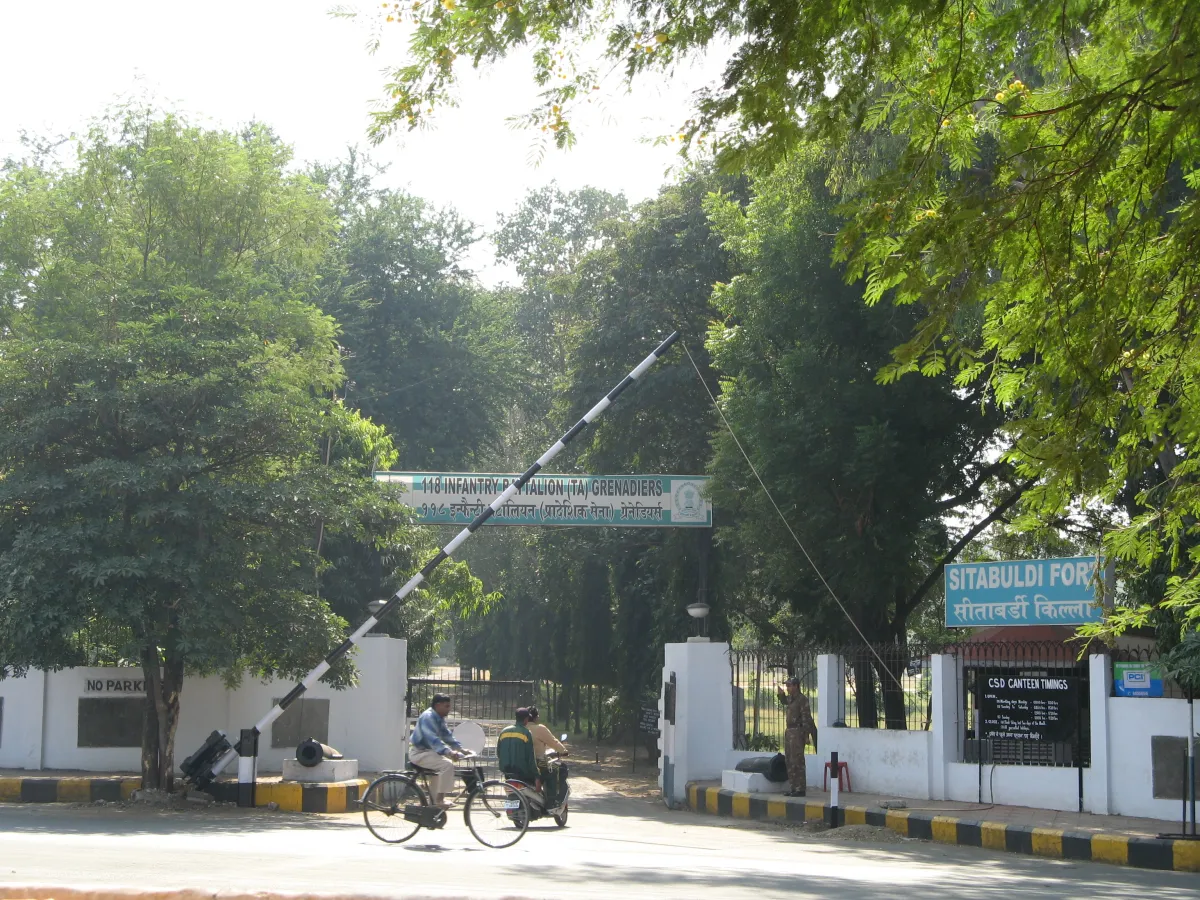
Quick information
- Location
- Sitabuldi, Nagpur
The hilltop above Sitabuldi is the site of the 1817 Battle of Sitabuldi, a conflict connected with the Third Anglo-Maratha War. The fort you see today and the battlefield history are related, but the date of the battle should not be used as the construction date of every structure on the hill.
Why Sitabuldi matters to Nagpur’s history
The district history identifies the hill as the site of the Battle of Sitabuldi in 1817. The fighting took place during the Third Anglo-Maratha War and involved the Nagpur Bhonsles and the British East India Company. The location matters as much as the date. Standing above the surrounding ground, the hills offered a position from which movement through the area could be observed. The city has grown around them, so the battlefield and the busy streets below are now part of the same landscape.
The district and Incredible India describe the relationship between the battle and the fort’s construction differently. A useful starting point is to distinguish the well-documented battle from the periods in which individual buildings, walls or memorial features took shape. If you visit as part of a public opening, look for interpretation on site before attributing a date to a particular structure. Even on a day when you cannot enter, you can use the hill to make sense of accounts of the battle.
What a public visit can involve
A public opening is a specific opportunity to visit, not ordinary drop-in admission. Look for information from the responsible authorities giving the date, entry window and conditions. Confirm how visitors enter, whether an identity document is required, which bags are allowed and whether any photography is permitted. Do not rely on photographs of a previous public day to decide what you can do on your date.
When entry is permitted, follow the announced route and give yourself time to stop at any explanatory boards or memorials. A good question to carry with you is how the visitor route relates to the higher ground. From a permitted lookout, compare the hills with the streets below. Read the name and date on any memorial before linking it to a particular event. Instruction from personnel on site takes precedence over any suggested walking route or photography plan.
How to reach the area
Sitabuldi is in central Nagpur. Use the approach identified in the current opening notice, rather than a general pin on the hill. If arriving by metro, auto or cab, allow time for road crossings and for reaching the actual visitor entrance. On a special opening day, crowds or traffic arrangements may change the final approach. For a group, agree on a meeting place on a public street before entering.
A visit with children or older relatives calls for extra attention to the climb and waiting conditions. Ask whether the public route has uneven ground or steps and how much of it is exposed to the sun. Carry only the items permitted by the notice and arrange a meal or water break outside the site. Avoid approaching closed entrances or trying to find an unofficial route when a public visit is unavailable.
Hours, admission and photography
Use the announcement for the particular opening date. The fort’s role as an Army site means a general tourist listing cannot confirm regular hours, walk-in access, fees or photo rules. If the details are unclear, plan the day around an attraction with confirmed admission and treat the fort as optional. Near active entrances, keep moving if instructed and leave enough room for authorised vehicles and pedestrians.
How to make a heritage morning work
Start with the Central Museum if you know it will be open but have no firm fort visit. Read the labels on two or three objects that explain the region, then go to Zero Mile Stone to see a different kind of historical record. Include the fort only when you can confirm admission. If a public opening is announced, reverse the plan and make its reporting window the anchor. Leave the museum or marker as a flexible second stop.
For visitors with a few hours before a train, favour an attraction with predictable entry and keep time for returning to Nagpur Railway Station. For a full city day, add a meal in Sitabuldi or continue to Deekshabhoomi. The latter introduces a different period in Nagpur’s history. It is worth giving that visit its own time instead of treating it as a stop on the same short walk.
Visiting an active military site
The Indian Army manages the fort. Check for a current public-opening announcement before planning an interior visit. Restrictions can include entry times, identification, photography and which areas are accessible. Follow signs and instructions even when the gate looks open. If no public visit is announced, treat the hill as part of the city’s skyline and choose a confirmed public stop instead.
A city-centre heritage pairing
Zero Mile makes a straightforward companion stop because it introduces a separate chapter of the city’s history. Central Museum is a better primary destination if you need an indoor itinerary or want to spend time with objects and inscriptions. Plan the museum around its confirmed opening hours, then add the fort only if the visit is possible.
Frequently asked questions
What happened at Sitabuldi?
The hills were the site of the Battle of Sitabuldi in 1817 during the Third Anglo-Maratha War.
Is the fort open daily?
Plan an interior visit only when the authorities announce a public opening.
Can I take photographs inside?
Follow the announcement and on-site directions for the day you visit.
What if there is no public opening?
Visit the Central Museum or Zero Mile Stone instead and view the hill from public areas.
How do I find the right entrance?
Use the entrance specified in the current public-opening notice.
Information sources
Related guides
Explore Around Nagpur →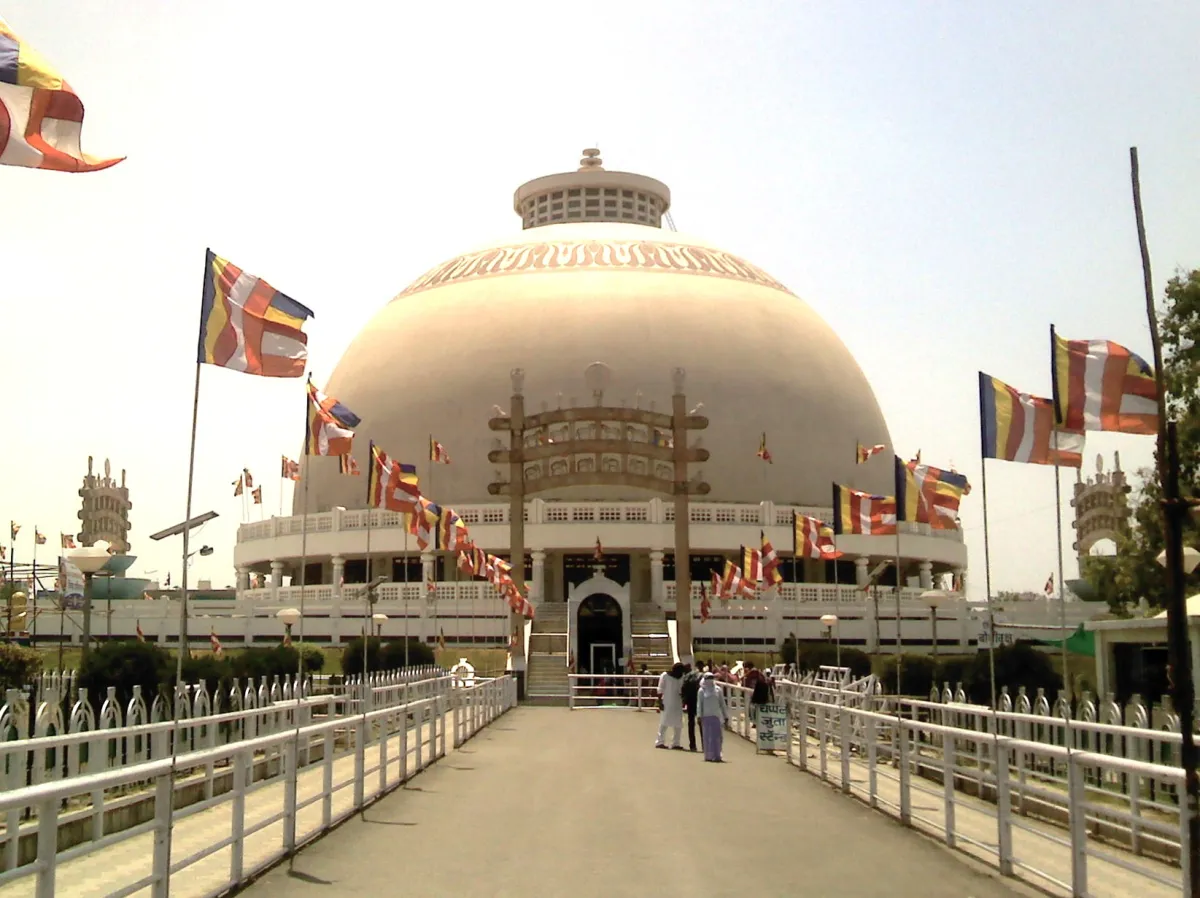
30 Best Places to Visit in Nagpur – Complete Tourist Guide
Pick one part of Nagpur for your first outing. Families can centre the day on Raman Science Centre, history visitors can pair Zero Mile with Central Museum, and…
Read more →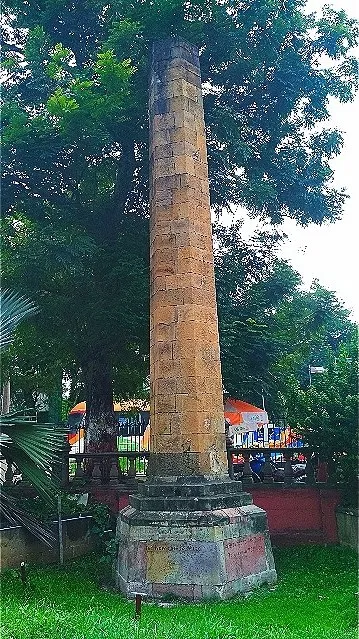
Zero Mile Stone – The Story Behind Nagpur's Historic Landmark
See Nagpur’s Zero Mile Stone near Vidhan Bhavan and learn how its sandstone pillar, horses and distance inscriptions relate to historical surveying.
Read more →Deekshabhoomi Nagpur – History, Significance and Visitor Guide
Plan a visit to the Nagpur stupa where Dr B. R. Ambedkar embraced Buddhism in 1956. Compare ordinary visits with pilgrimage days.
Read more →