Hazrat Baba Tajuddin Dargah – History and Spiritual Significance
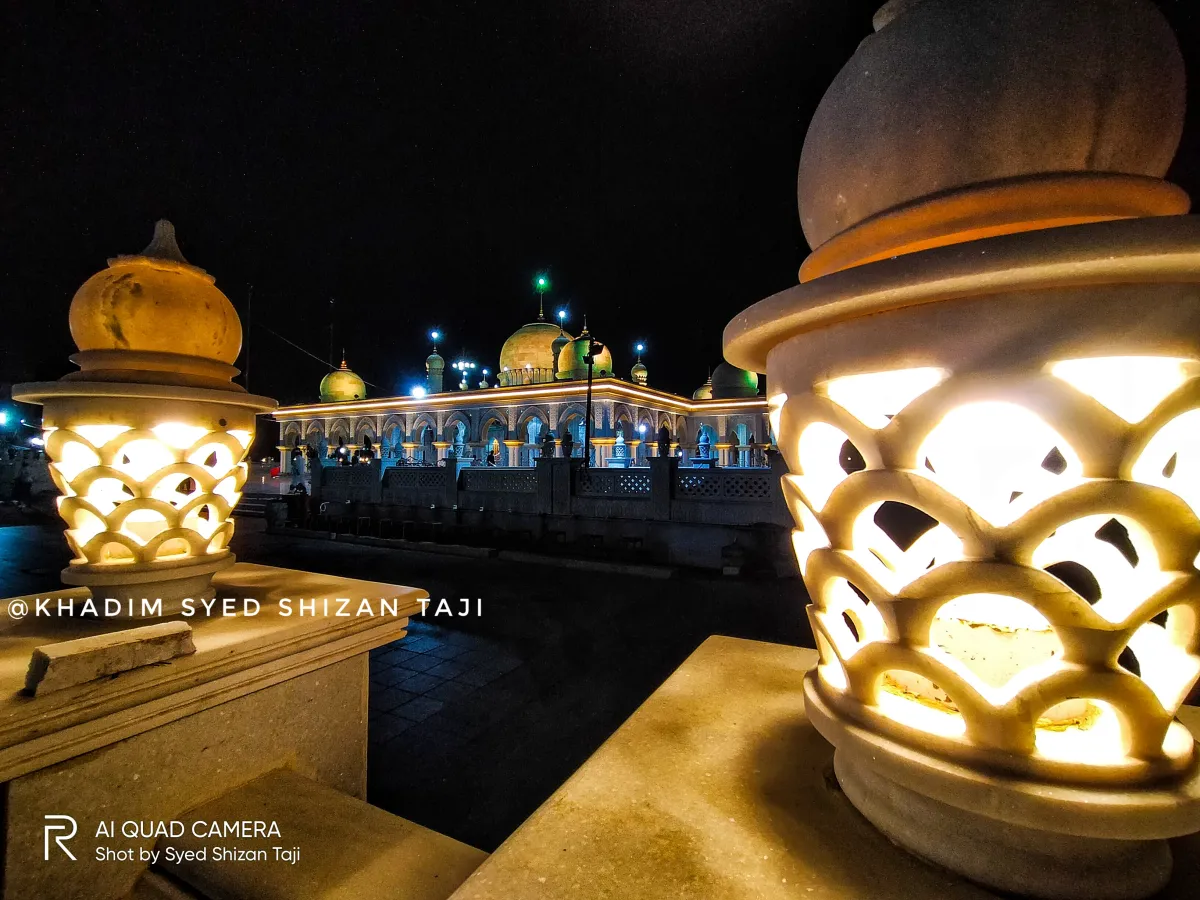
Hazrat Baba Tajuddin Dargah is a devotional destination in Nagpur associated with the Sufi saint Baba Tajuddin. It is first a place of prayer.
Quick information
- Location
- Taj Bagh, Nagpur
Hazrat Baba Tajuddin Dargah is a devotional destination in Nagpur associated with the Sufi saint Baba Tajuddin. It is first a place of prayer. A sightseeing visit should follow the same expectations of care and respect as any active place of worship.
Visiting respectfully
Check the entrance and visiting arrangements before setting out. Dress with the setting in mind, follow instructions on footwear, and ask before taking photographs. If prayers are under way, give worshippers space and follow the directions of people managing the grounds.
Planning time in Nagpur
Arrange transport to the shrine’s own entrance. On busy observance days, consider delays and confirm whether a cab can pick you up nearby. Choose a separate time window for another city attraction so the visit can proceed at the pace appropriate to the shrine.
Who is commemorated at the dargah?
The shrine honours the Sufi saint Syed Mohammad Baba Tajuddin, also known as Tajuddin Baba. Incredible India identifies the dargah as a place where devotees come to pay their respects and describes its association with Sufi traditions. You may see both Tajuddin and Tajjuddin in visitor references. When looking for directions, choose the shrine’s full name and confirm the visitor entrance in the Taj Bagh area.
A dargah visit is shaped by the people there to worship. You may see families arriving together, visitors waiting quietly and activities the venue has arranged for a particular day. Keep enough time to follow that rhythm. If you want to learn about the shrine’s history, read an official account before going and ask staff what interpretation is available, without interrupting a person at prayer.
What should a first-time visitor do?
Begin at the designated entrance. Read any posted guidance and ask where shoes and belongings should be left. Dress with the setting in mind and use the area visitors are directed to use. If there are separate instructions for a part of the complex, follow them. Avoid standing in doorways, especially while others are waiting.
If you are unsure about a gesture, offering or route, ask staff discreetly instead of copying what another visitor is doing. Some actions you see may be personal devotional practices. As a visitor, you can spend a quiet moment and leave room for others. Ask about permission before photographing people or an interior. Avoid treating music or worship as a performance you are entitled to record.
What changes on busy religious dates?
The tourism ministry discusses Sufi observances and the tradition of Urs gatherings. Use the venue’s information for the actual programme and public arrangements rather than assuming a date or scheduled event from a general description. Larger crowds can change approach roads, waiting conditions and where taxis can stop. If attending a programme matters, plan extra time and identify a place to regroup outside the busiest entrance.
If you mainly want a short, quiet introduction, ask about a suitable time on an ordinary day. A less busy visit can be more comfortable for people who need seating or cannot stand for extended periods. If bringing children, tell them before entering when they will need to stay close and keep their voices down. This is easier than explaining inside a moving queue.
How to reach the shrine and plan the return
Use a specific shrine entrance when arranging a cab or auto. Incredible India places the attraction near Dighori on the Umreth Road side of Nagpur. Check the last approach in current directions and ask the driver about pickup. If they cannot wait in front, choose somewhere nearby that you can reach safely without leaving the group in moving traffic.
For public transport, confirm where you will get off and how you will cover the rest of the journey. If visiting late or during an observance, verify the onward trip before leaving your accommodation. Leave room for a slower walk or a changed drop-off if the surrounding streets are busy. In rain or heat, shorten any unnecessary walking and plan a rest outside the worship area.
Hours, access and a half-day plan
The tourism ministry’s listing does not give a fixed opening or closing time. Confirm current visitor access and the schedule for any observance directly. Ask about accessibility, bags, footwear and whether the parts of the complex you hope to see are open. Keep food arrangements separate and follow site rules. Do not assume you can carry a meal into the grounds.
For a first visit from elsewhere in Nagpur, set a comfortable arrival window, spend time at the shrine and then take a break before continuing. If you add a second attraction, pick one with confirmed access and enough time for the neighbourhood transfer. The Central Museum can suit an indoor itinerary, while a city landmark can work as a brief outdoor stop. If the shrine is the purpose of the outing, leave the rest of the schedule flexible enough to do it at an appropriate pace.
Information sources
Related guides
Explore Around Nagpur →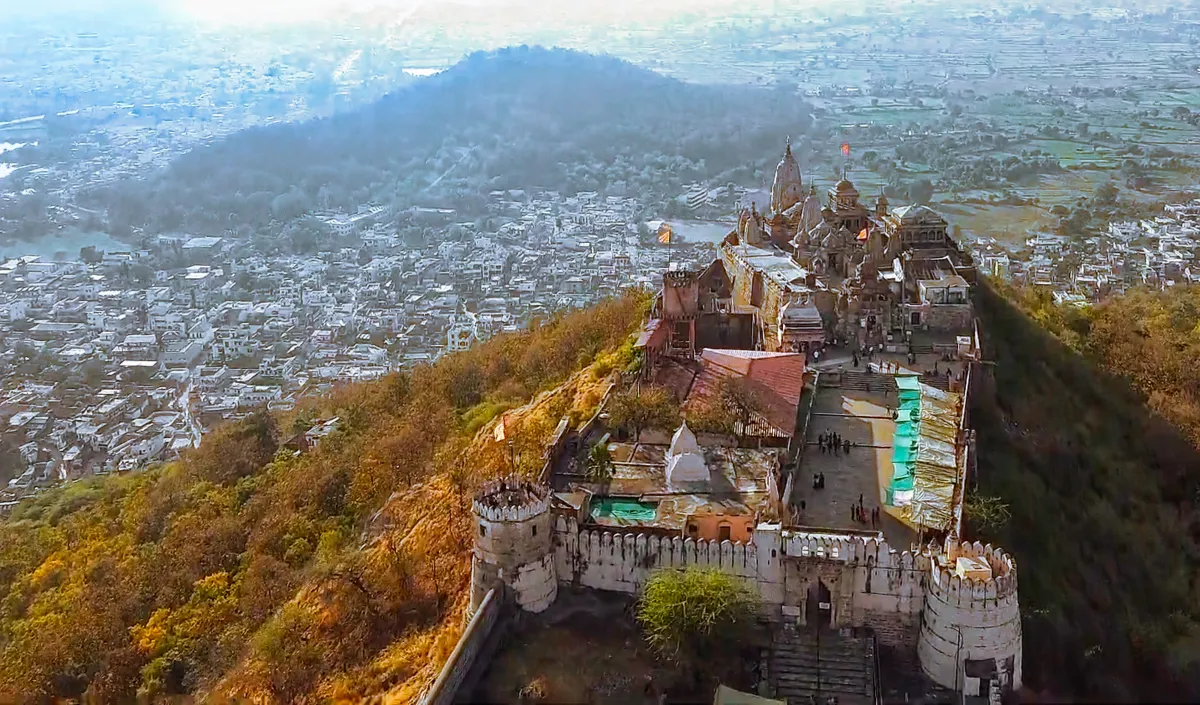
Ramtek Temple – History, Spirituality and a Scenic One-Day Trip
The hilltop Ramtek temple complex is a place of worship associated with Lord Rama. Visit for the temple and the view of the surrounding country. Incredible India…
Read more →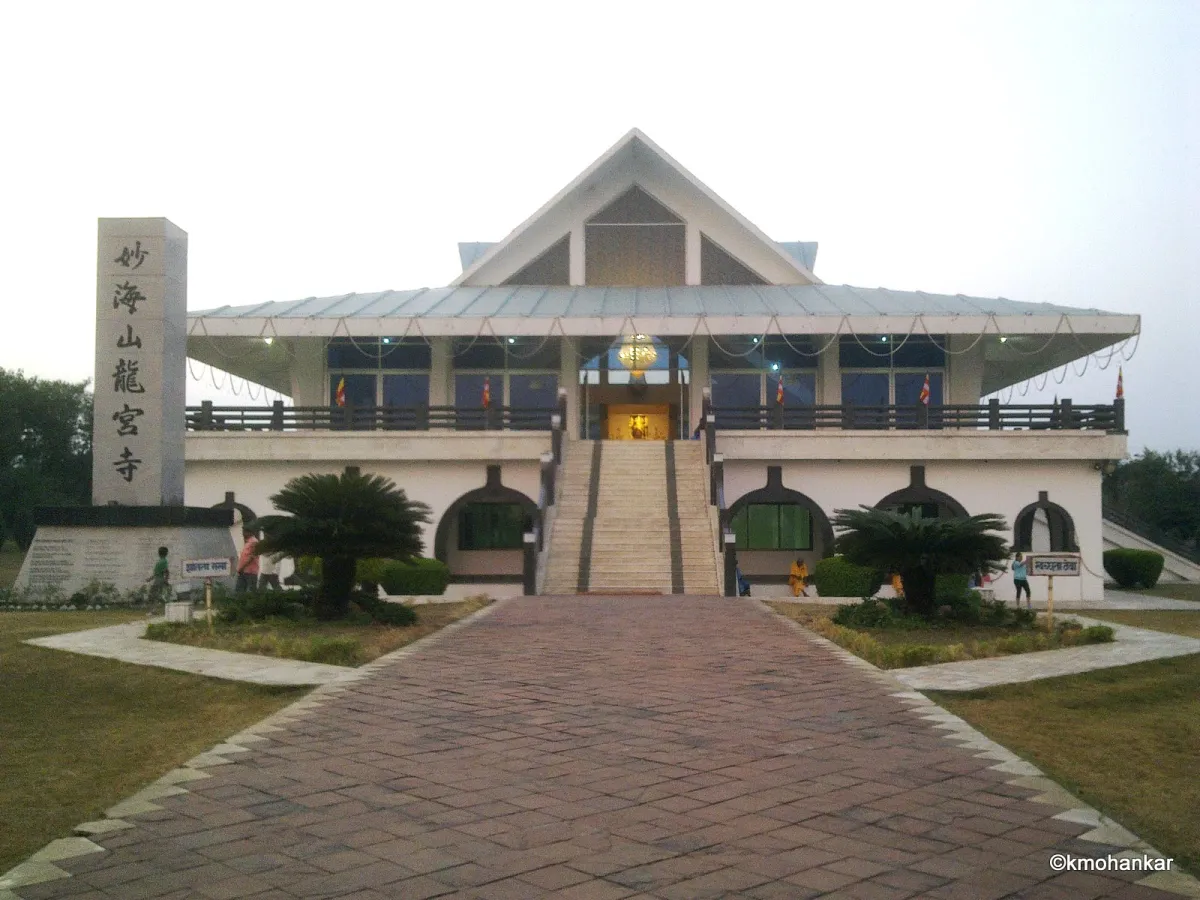
Dragon Palace Temple Kamptee – A Beautiful Buddhist Landmark
Visit Dragon Palace Temple in Kamptee with practical advice on temple etiquette, getting there from Nagpur and pairing it with Deekshabhoomi.
Read more →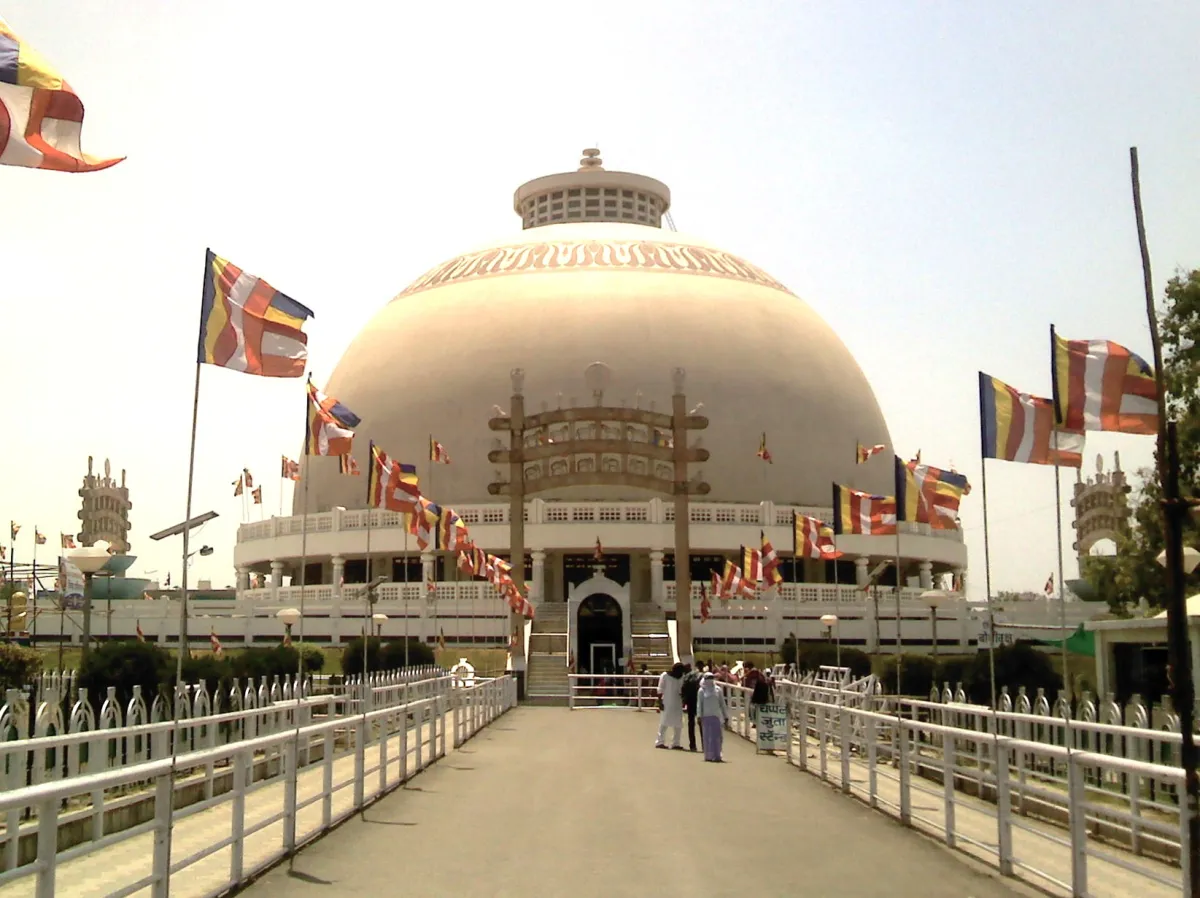
Deekshabhoomi Nagpur – History, Significance and Visitor Guide
Plan a visit to the Nagpur stupa where Dr B. R. Ambedkar embraced Buddhism in 1956. Compare ordinary visits with pilgrimage days.
Read more →