Koradi Temple – History, Darshan and Navratri Celebrations
The Shree Mahalaxmi Jagdamba temple at Koradi is a major Devi shrine near Nagpur. Maharashtra Tourism describes the presiding deity as a form of Adi Shakti.…
Quick information
- Location
- Koradi, Nagpur district
The Shree Mahalaxmi Jagdamba temple at Koradi is a major Devi shrine near Nagpur. Maharashtra Tourism describes the presiding deity as a form of Adi Shakti. Darshan is the main reason to go, and Navratri changes the kind of visit you should plan.
Ordinary visits and Navratri
For an everyday visit, confirm opening hours and build in time for the queue. During Navratri, check the temple’s current programme, parking controls and how far you will have to walk from your drop-off. Agree on a meeting point outside the busiest entrance if you are taking a group.
Make time for the return
Avoid booking another stop too close to your expected finish. If you prefer public transport, plan how to get back after an evening visit before leaving Nagpur. Carry only what the temple permits and follow current directions on offerings and photography.
Why devotees visit Koradi
Maharashtra Tourism identifies the Shree Mahalaxmi Jagdamba Sansthan in Koradi as a major centre of worship near Nagpur. The deity is revered in the Devi tradition and described by the tourism department as a form of Adi Shakti. If you are visiting the temple for the first time, understand that daily worship and seasonal observances shape how visitors use the complex. A plan centred on darshan should leave room for the temple’s own schedule and directions.
An ordinary day is suitable for visitors who want time to understand the setting and move through the public areas at a gentle pace. A Navratri visit has a different purpose and atmosphere. If the festival is your reason for going, make it the only fixed commitment of that part of the day. Consider a larger crowd and waiting time part of your planning instead of assuming you can arrive and leave as quickly as on an ordinary day.
Darshan, queues and arrival
Set your destination to the temple entrance in Koradi. The town name alone will not take you to the right drop-off. Confirm where vehicles may stop, how far the approach is on foot and whether queue arrangements are already in place. If someone needs a shorter or step-free approach, check the actual route before departure. A lower traffic time is useful only if the venue’s visitor hours and your transport also work.
Once there, follow instructions about the entrance, offerings, footwear and belongings. Keep the group together but leave space for people moving through the queue. Ask about photography, especially at the shrine, and avoid blocking circulation to take a picture. For older visitors or children, arrange where to pause and whether they can sit before committing to a crowded programme. Keep calls and loud conversations outside quiet worship areas.
What changes during Navratri?
Start by checking this year’s official programme. Ask about entry hours and any special routes, parking controls or facilities for visitors. Venue staff or local notices can give more useful answers about the final approach than a saved route from a previous visit. If you plan to attend a particular ritual, allow time to pass through the queue and be prepared to adapt if the programme changes.
Decide before you arrive where you will regroup if people get separated. Choose a recognisable place away from the busiest entrance, and make sure everyone can describe it. If coming by cab, agree on a pickup where the driver can legally stop even after the event. For public transport, verify the service back to Nagpur at the hour you will actually leave. An evening programme is more comfortable when the return is already settled.
Opening hours, fees and temple facilities
Check the current opening and darshan arrangements with the sansthan. Ask separately about any charge or booking relevant to the visit you intend to make. Do not assume a fee shown for one organised service applies to everyday entry. Check whether bags can be brought inside, where to leave shoes and whether there are restrictions on offerings. If a facility is essential to your group, ask about it specifically before going.
The tourism page helps explain the temple’s religious importance. Use current temple information for the precise details that determine when and how you can visit. In hot weather, consider how long you may be outdoors before entering. In rain, check the approach and take care on wet surfaces. Leave enough time to set a pace that works for everyone.
A half-day plan from Nagpur
For a regular visit, choose a confirmed darshan window, travel directly to Koradi and give the temple the main share of your time. Plan a meal or rest after the visit and leave space for the return drive. If you are looking for a quieter introduction, avoid choosing a major date simply because it appears more eventful. During Navratri, work backwards from the programme and reserve the rest of the day for travel and a meal.
Keep any extra sightseeing optional. The temple makes sense on its own, particularly when your group includes people with different walking or rest needs. A well-planned visit begins with a confirmed entrance and ends with a reliable route home.
Information sources
Related guides
Explore Around Nagpur →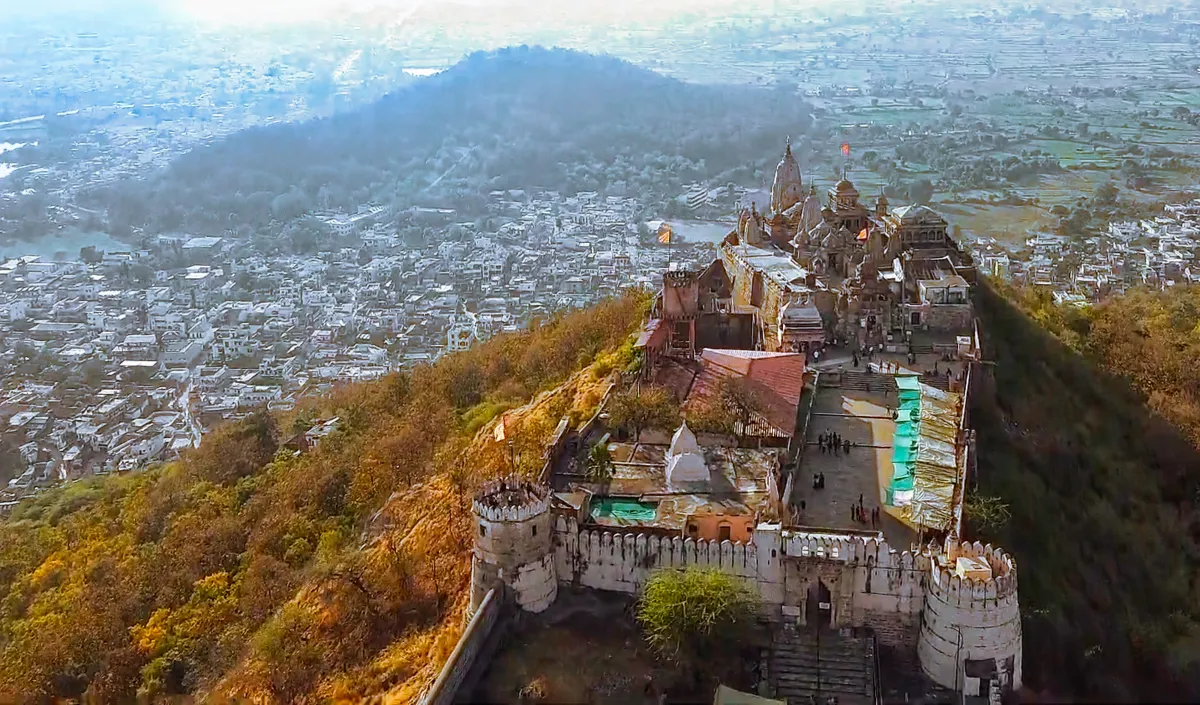
Ramtek Temple – History, Spirituality and a Scenic One-Day Trip
The hilltop Ramtek temple complex is a place of worship associated with Lord Rama. Visit for the temple and the view of the surrounding country. Incredible India…
Read more →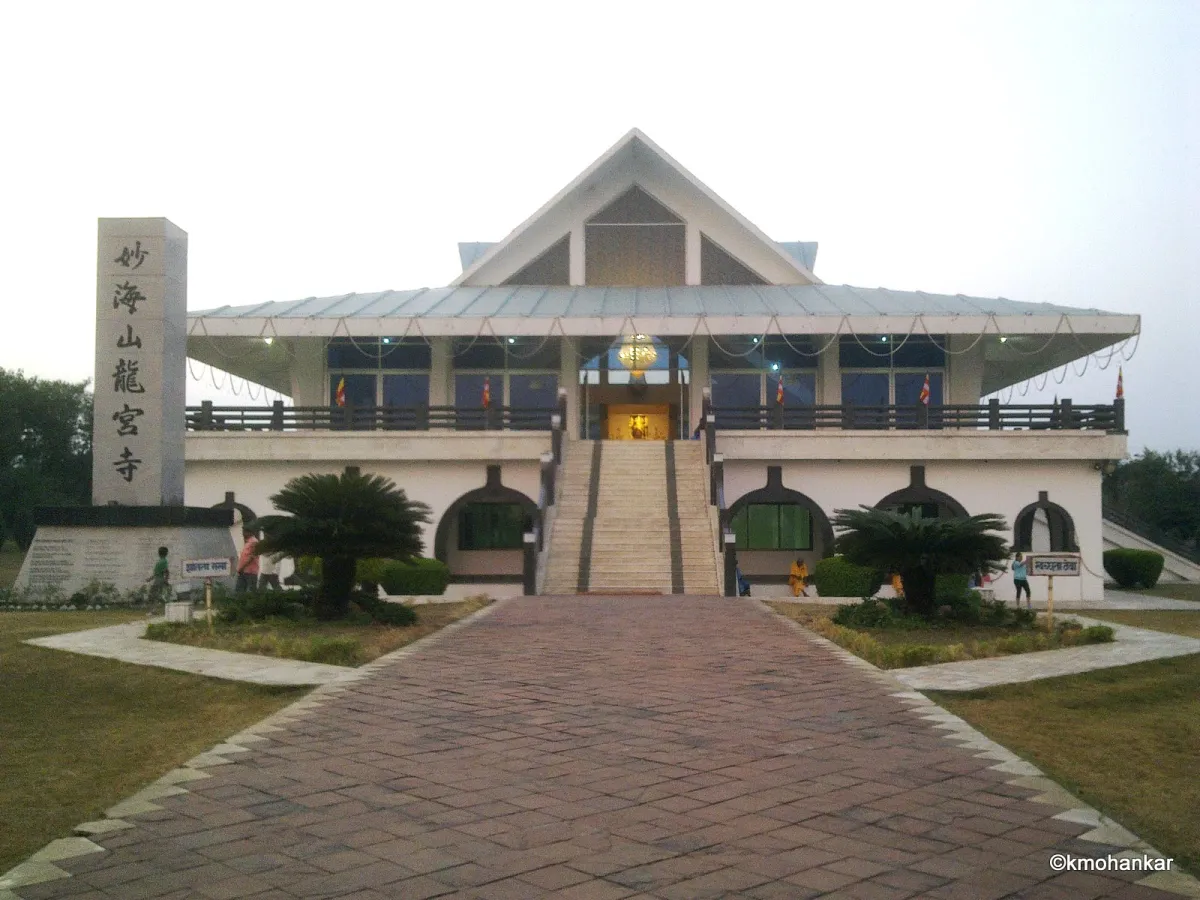
Dragon Palace Temple Kamptee – A Beautiful Buddhist Landmark
Visit Dragon Palace Temple in Kamptee with practical advice on temple etiquette, getting there from Nagpur and pairing it with Deekshabhoomi.
Read more →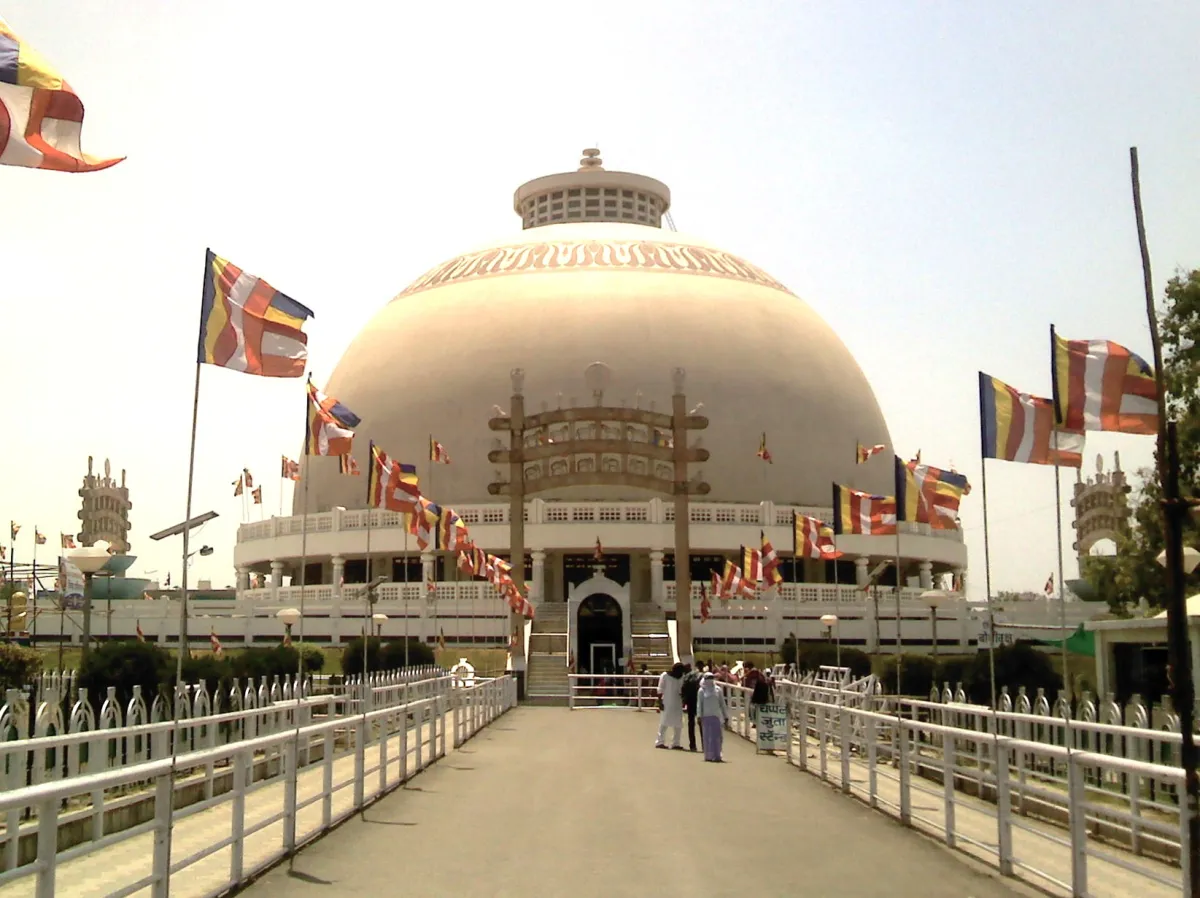
Deekshabhoomi Nagpur – History, Significance and Visitor Guide
Plan a visit to the Nagpur stupa where Dr B. R. Ambedkar embraced Buddhism in 1956. Compare ordinary visits with pilgrimage days.
Read more →