Mansar Archaeological Site – Discovering Ancient Vidarbha
Mansar near Ramtek is an archaeological destination where the interest lies in what foundations and excavated remains can reveal.
Quick information
- Location
- Mansar, near Ramtek
Mansar near Ramtek is an archaeological destination where the interest lies in what foundations and excavated remains can reveal. Look at the arrangement of the site as well as individual objects. The places where walls meet and where paths change level can tell you more than any single photograph.
How to make sense of the ruins
Read the signs before walking through open areas. Separate what you can see directly from the interpretation offered by archaeologists. Avoid climbing or touching remains, and leave closed areas alone even if an unofficial path seems to lead there. If signs or a guide are unavailable, keep the visit short and use the official tourism material for context.
Plan around access
Confirm the precise visitor approach, hours and permitted sections. Pair Mansar with Nagardhan or Ramtek, depending on where you are coming from and which site is open. Carry water and check facilities before committing to a long stay in an exposed area.
Why Mansar matters
Mansar is in the Ramtek area, where archaeological remains offer a different view of Vidarbha than the standing walls at Nagardhan Fort or the active temple complex in Ramtek. Incredible India highlights excavations at Mansar and places material from the site in the context of the region’s early history. The visible remains do not tell their whole story on their own. What you can see from a public route is the basis for questions about how the site was built and used.
A useful first question is which materials survived. Masonry, foundation lines and fragments often remain after roofs and other structures are gone. Look at what is still in place before trying to picture the missing parts. Then use signs, a guide or a reliable museum account to make sense of what the evidence supports. Avoid assigning a function or period to each structure unless the interpretation provides one.
Reading an archaeological site on foot
Begin at the closest public interpretation point. Look at the plan before walking among the open sections, and identify two features you can find without crossing any barriers. The relationship between a passage, a platform and a change in level is often easier to understand when seen from more than one permitted angle. A photograph taken from ground level can be a useful record of the pattern. It is no reason to climb onto exposed archaeological remains.
If a section is closed, leave it alone. Fences may protect the visitor, an excavation or both. Do not move material on the ground for a better view or pick anything up. At a site with little interpretation available, keep the visit modest. Spend time understanding one feature and read the official material afterwards instead of trying to reconstruct the whole site from appearances.
Which stop goes well with Mansar?
Nagardhan Fort for a comparison
At Nagardhan, the gate and defences make the visitor route legible even if some sections are closed. At Mansar, foundations and excavated remains may need more explanation. Visit the two together if you have time and confirmation for both. Ask why one place is easy to read from its standing walls while the other needs plans or interpretation.
Ramtek for a different kind of visit
Ramtek’s temple complex is an active place of worship. It gives the trip a different focus from an archaeological excursion. Treat darshan, opening windows and the approach to the hill as separate planning questions. If the purpose of your day is archaeology, make Mansar first and keep Ramtek optional.
Travel and opening arrangements
Set your destination to the verified archaeological entrance rather than the village centre or a generic excavation pin. Confirm which areas are currently open and where visitors can be dropped off. If you rely on public transport or a hired driver, agree on a meeting point and return time. Ask about the amount of walking, shade and the condition of paths. These details matter particularly if you want to take family members who need a short or step-free route.
Verify any entry charge, hours and photography rules before departure. A tourism route identifies a destination, but public access can change with conservation, work or maintenance. Carry water and wear shoes for uneven terrain. In rain, stay off slippery sections and avoid paths that are not open. Give the site one clear place on the itinerary rather than fitting it between two timed stops.
A realistic day from Nagpur
Head to the confirmed Mansar entrance first if there is a reliable public window. Walk the open route, then stop for a meal in the Ramtek area before your second destination. Choose one, either Nagardhan or Ramtek temple. If Mansar is closed, switch to a confirmed public attraction rather than exploring an informal track. The Central Museum in Nagpur is an alternative when you want regional archaeology without uncertain site access.
If your group mainly wants a quick outing, plan a shorter visit and a single break before returning. If archaeology is the reason for travelling, reserve time to study the interpretation and make notes. That choice will make the day feel less rushed than trying to collect several images at every stop.
Related guides
Explore Around Nagpur →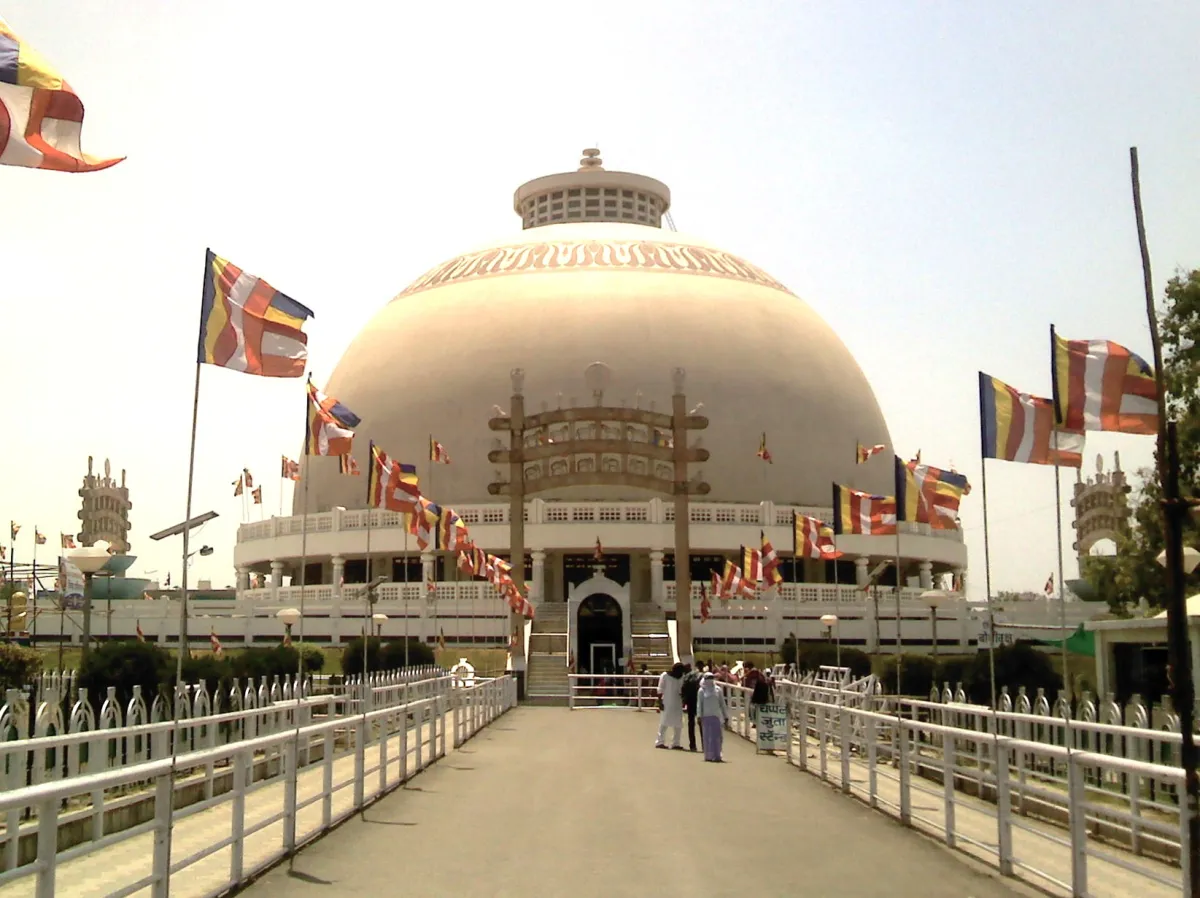
30 Best Places to Visit in Nagpur – Complete Tourist Guide
Pick one part of Nagpur for your first outing. Families can centre the day on Raman Science Centre, history visitors can pair Zero Mile with Central Museum, and…
Read more →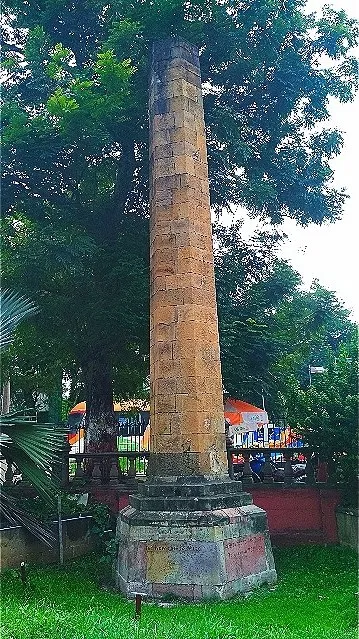
Zero Mile Stone – The Story Behind Nagpur's Historic Landmark
See Nagpur’s Zero Mile Stone near Vidhan Bhavan and learn how its sandstone pillar, horses and distance inscriptions relate to historical surveying.
Read more →Deekshabhoomi Nagpur – History, Significance and Visitor Guide
Plan a visit to the Nagpur stupa where Dr B. R. Ambedkar embraced Buddhism in 1956. Compare ordinary visits with pilgrimage days.
Read more →