Markanda Temple Gadchiroli – The Khajuraho of Vidarbha
The Markanda temple complex at Markanda Deo is a heritage destination in Gadchiroli district.
Quick information
- Location
- Markanda Deo, Gadchiroli district
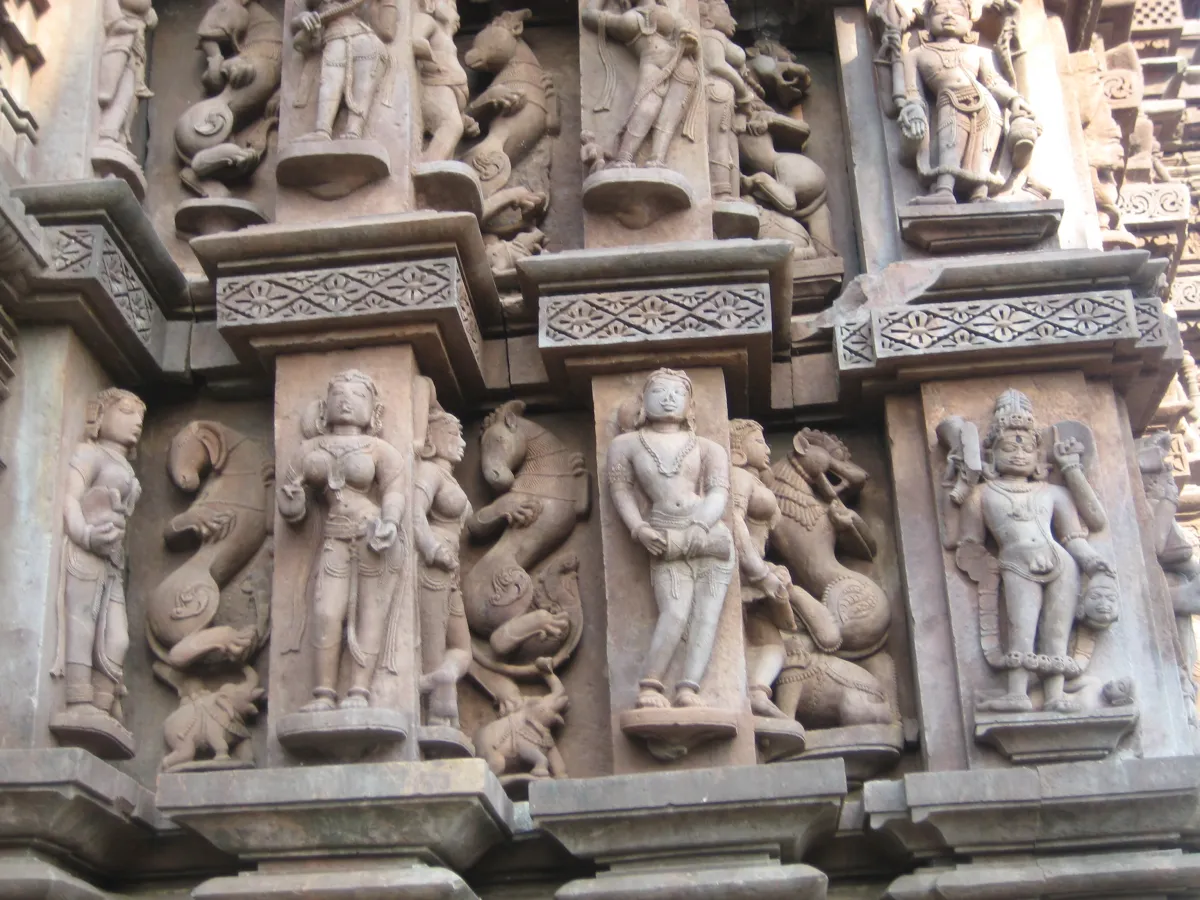
The Markanda temple complex at Markanda Deo is a heritage destination in Gadchiroli district. The carved exterior is the best starting point for understanding why comparisons with Khajuraho appear in accounts of the site. Treat that comparison as a description of the sculpture’s appeal rather than a claim that the two complexes share the same history.
Looking closely at the temples
Choose one accessible facade and read it from the base upward. Compare individual figures with repeated motifs and broader architectural bands. Keep off plinths where signs or barriers prevent access. If conservation work is under way, use the open viewing area and leave fenced parts to staff.
Getting there from Nagpur
This is a longer outing than a visit to a Nagpur city temple. Confirm the road approach and the site’s current opening arrangements, and leave enough time for the return or plan a night nearby. Do not use the riverbank as a shortcut. Check local conditions before attempting to visit during heavy rain.
What the temple complex is known for
Maharashtra Tourism places Markandeshwar Temple beside the Wainganga in Gadchiroli district and identifies it as a Shiva temple. The name Markanda or Markanda Deo is also useful when searching for the site. The stone sculpture and exterior architecture deserve time, as does the setting. An effective first visit begins with the buildings and the public ground around them. Treat the river as landscape rather than assuming there is a permitted or safe place to descend to it.
The comparison with Khajuraho sometimes used for the complex is a visual reference to carved temples. It does not tell you who built an individual structure, when a panel was completed or how an image should be understood. If you want to identify particular subjects, look for authoritative interpretation at the complex. You can appreciate the composition of the stonework even without making a claim about every scene.
How to look at the architecture
Begin with a view of one publicly accessible temple from enough distance to see its overall form. Then approach where permitted and pick one facade. Look at the difference between repeated decorative bands and individual carved figures. Notice where patterns mark a change from a lower part of the wall to a higher one. Move only along the visitor route and leave room for worshippers and other groups.
If photography is allowed, take a wider image before trying a close-up. A record of where a detail sits on the structure makes it easier to understand afterwards. Do not use a platform, ledge or part of the fabric of the temple as a place to stand. Keep away from fencing and any area under care. If some exterior sections are inaccessible, select a different public view rather than trying to work around a barrier.
A place of worship beside the river
Ask how darshan and access to the public areas work on your date. Follow signs and local directions about shoes, belongings, offerings and photography. If worship is under way, wait where visitors are directed and avoid stopping at a doorway to take photographs. A shorter, quiet visit can be better than trying to look at every building when the site is busy.
River access is a separate matter. A dry path shown in a photo may not be safe during rain or a change in water level. Do not include a river crossing, swim or descent to the bank in your plan without a confirmed authorised arrangement. Use the land approach that the site identifies for visitors. Keep children near the group and stay on permitted surfaces.
How to reach Markanda from Nagpur
Treat Markanda as a longer road trip. Set directions to the specific temple compound and confirm the last section of the route with a current source. Leave enough daylight for the return and allow breaks for fuel, meals and rest. If a driver will collect you after the visit, establish the pickup point before leaving the vehicle. Avoid assuming facilities or phone service at every point on a rural approach.
Confirm visitor hours, any charges and the present status of conservation work before setting out. Ask whether there is a suitable drop-off and whether the public route is manageable for anyone who needs a shorter walk. Bring water for the journey and follow the venue’s rules for food. For an overnight option, confirm lodging and meals directly and choose a base that fits the direction of your trip.
Plan a day around one main attraction
Leave Nagpur early enough to arrive with time for an outdoor visit. Walk the authorised areas first, and spend a few minutes looking at one group of carvings rather than racing around the compound. After the visit, make a planned meal stop and take the return route you checked in advance. If rain, local restrictions or conservation work affects access, use a confirmed alternative and try another day rather than relying on a riverside shortcut.
Information sources
Related guides
Explore Around Nagpur →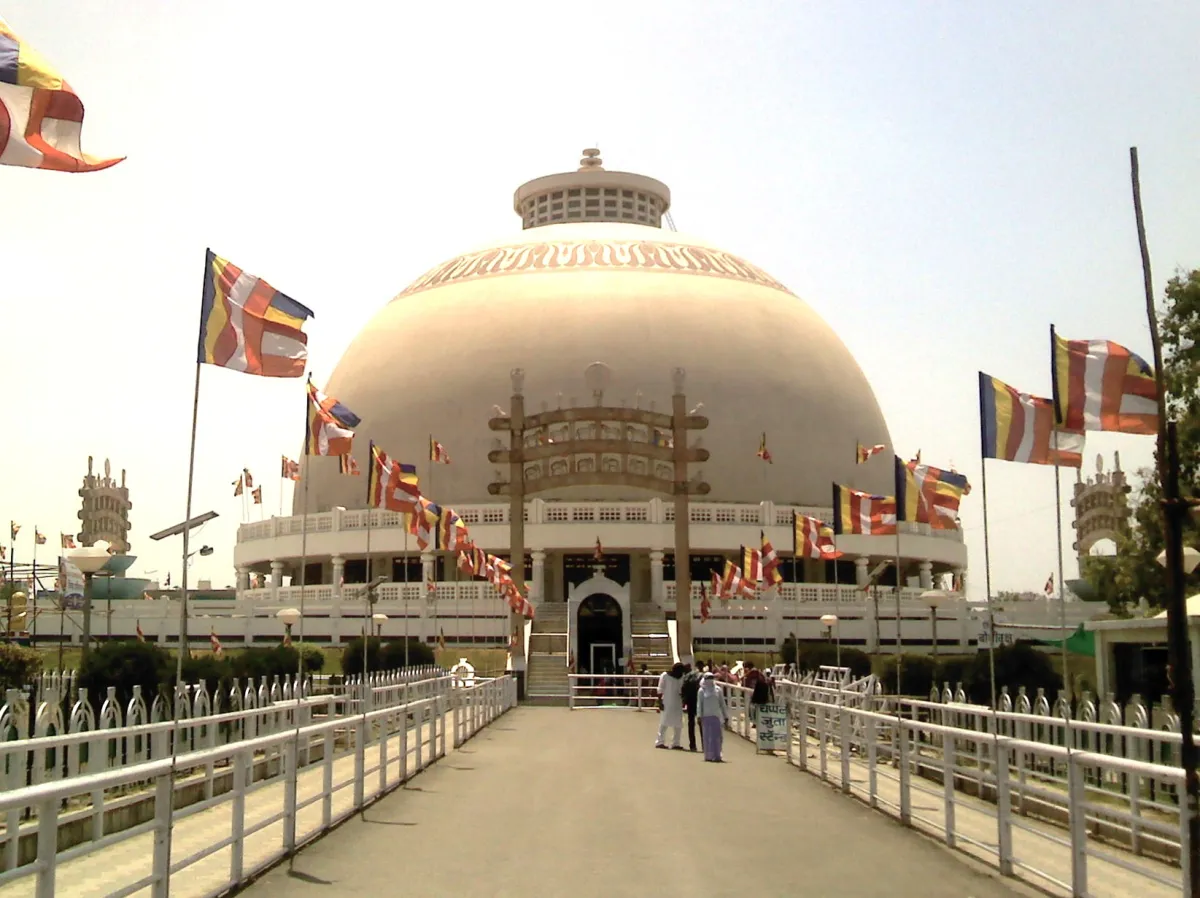
30 Best Places to Visit in Nagpur – Complete Tourist Guide
Pick one part of Nagpur for your first outing. Families can centre the day on Raman Science Centre, history visitors can pair Zero Mile with Central Museum, and…
Read more →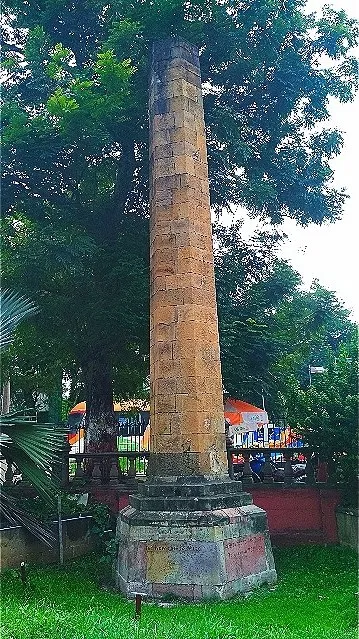
Zero Mile Stone – The Story Behind Nagpur's Historic Landmark
See Nagpur’s Zero Mile Stone near Vidhan Bhavan and learn how its sandstone pillar, horses and distance inscriptions relate to historical surveying.
Read more →Deekshabhoomi Nagpur – History, Significance and Visitor Guide
Plan a visit to the Nagpur stupa where Dr B. R. Ambedkar embraced Buddhism in 1956. Compare ordinary visits with pilgrimage days.
Read more →