Nagardhan Fort – Discovering the Forgotten History of Vidarbha
Explore the walls and gateway at Nagardhan Fort, understand its historical setting and plan a heritage day near Ramtek.
Quick information
- Location
- Nagardhan, near Ramtek, Maharashtra
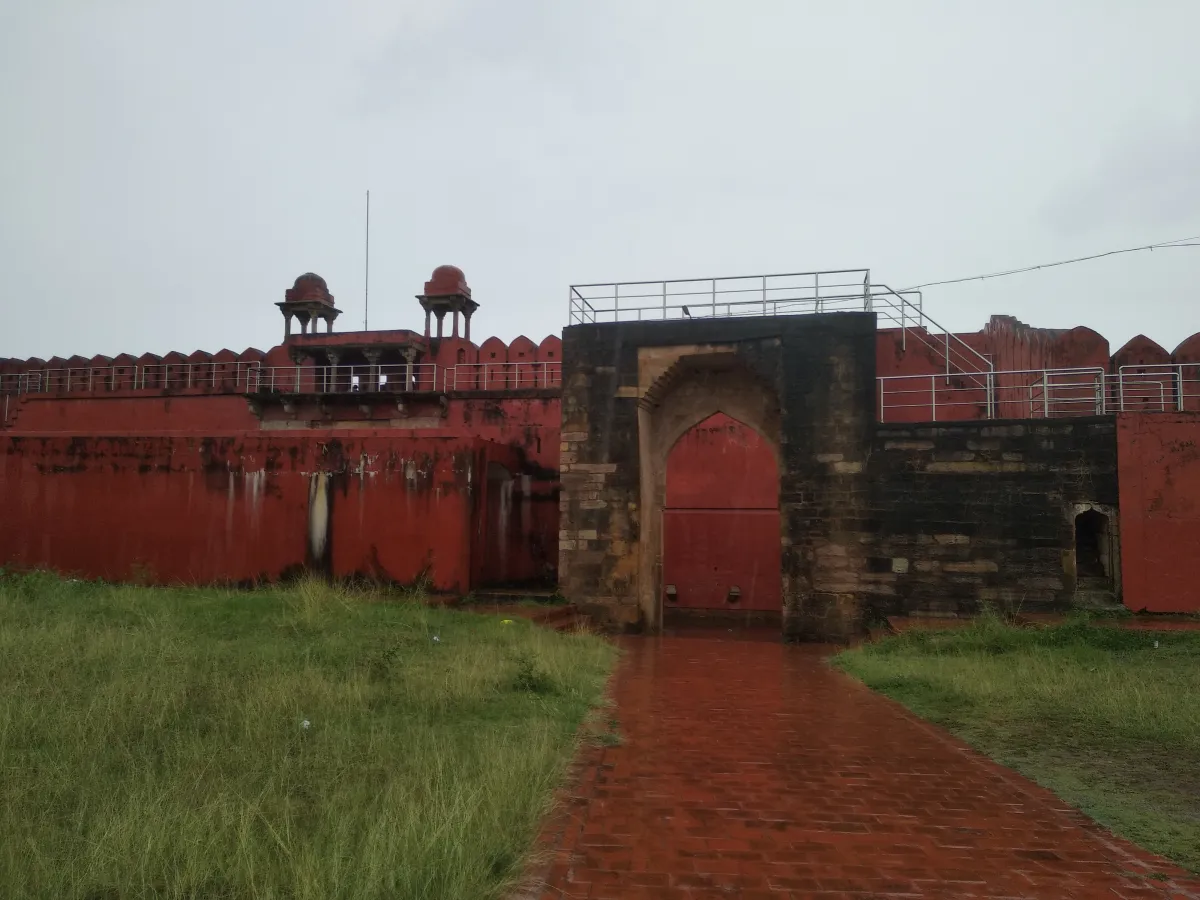
Nagardhan Fort is a historic fortified site in the Ramtek area. Incredible India describes two layers of defence, with an outer rampart and a separate inner enclosure. Learn to read the layout first: look at where an approach is exposed, where the wall breaks for an entrance, and how spaces change once you pass through it.
What the walls can tell you
The fort is best approached as a set of decisions made visible in stone and earth. Start by looking at the approach before walking through the gate. Notice when the wall first becomes visible, where the entrance sits in relation to the outer enclosure, and whether the path brings you directly in or makes you change direction. This is a better way to understand a fortified site than trying to identify every room from a map.
Incredible India describes an outer rampart with bastions and an inner wall around a group of buildings. The outer works help explain how a visitor or defender might see movement around the enclosure. Inside, the scale changes. A passage that seemed broad outside may narrow between walls, and an open area can reveal how the internal parts communicate. Follow the route that is open to visitors and interpret only what you can see from safe ground.
How old is Nagardhan Fort?
Nagardhan sits in a region with an archaeological history older than the fort seen today. The tourism description places the origins of the visible fort in the eighteenth century and discusses older Vakataka evidence from the surrounding history. A reference to a copper-plate grant or an ancient dynasty does not establish the age of every standing wall. Keep the archaeological evidence, the later defences and any modern repairs distinct as you walk.
This is where adding Mansar can make the trip more interesting. At the fort, you are looking at a defensive enclosure and the way people moved through it. At an archaeological site, the visible foundations may need more interpretation to understand what structures once stood above them. Read the interpretation at each site. Leave yourself room to ask which parts are known from excavated objects, which from written records and which remain debated.
What to see on a first visit
The approach and entrance
Give the outer approach a few minutes before entering. Stop only where pedestrian access is allowed and vehicles have room to pass. For a photograph that makes the gateway readable, include enough surrounding wall to show where the entrance sits. You do not need to climb beside it or get onto a rampart to understand the layout.
Walls, bastions and internal spaces
Look for changes in the shape or thickness of the enclosure from the public route. Compare an outside corner with a narrower passage or inner court. If a shrine or interpretation space is open, follow the activity and photography rules for that space. Check whether any listed exhibits are actually available on your date rather than assuming the walls and indoor displays are open on the same schedule.
Travel, hours and entry
Use the fort’s own map pin when leaving Nagpur, then verify the final approach and the place where you can park or be dropped off. A driver who knows Ramtek may still need the specific Nagardhan stop. If travelling without a private vehicle, settle the transfer from your main transport stop and the return pickup before you start walking around the site.
Incredible India publishes visitor information for the fort. Confirm current opening and last entry, whether there is an admission or parking charge, and whether works have limited the areas open to visitors. Carry water and wear shoes suitable for uneven surfaces. Ask about steps and expected walking distances if anyone in the group has limited mobility. During rain, stay away from slippery stone, exposed edges and any temporary closures.
A one-day itinerary
Make Nagardhan the first stop if your group is mainly interested in architecture. Continue to Ramtek for lunch and the hilltop temple if access and the walking approach work for everyone. If archaeology is the priority, pair the fort with Mansar instead and give each site time. Khindsi is an alternative second stop for a mixed group, but check boating availability directly if that is the reason you want to go there.
For a comfortable day, choose one fixed anchor and one optional stop. Avoid binding a timed lake activity to an unconfirmed fort or temple visit. If you plan to stay overnight, ask your accommodation about its actual drive to each stop and where to eat after the attractions have closed.
Fort, shrine and heritage circuit
Use the signed public entrance and keep clear of closed rooms, drops and deteriorating masonry. The Ramtek temple complex offers a different kind of experience, while Mansar adds an archaeological stop if public access is confirmed. Choose two of the three for a relaxed day instead of making every site a rushed photo stop.
When to go
Daylight makes the walls and uneven surfaces easier to read. Confirm hours, admission and photography rules before leaving Nagpur, especially if the fort is the only reason for your trip. Save the correct fort pin rather than following a route to the centre of Nagardhan village.
Frequently asked questions
Where is Nagardhan Fort?
It is in the Ramtek area of Nagpur district. Set directions to the fort entrance.
What is there to see?
Look at the entrance, outer rampart, bastions and inner enclosure from the public route.
Are the Vakataka buildings and the visible fort the same age?
The region’s Vakataka evidence predates the standing fort. Treat the archaeological record and later defences separately.
Can I combine Nagardhan and Mansar?
Yes, subject to both sites being open. Make one the main stop if you have limited time.
Do I need to book or pay a fee?
Confirm current admission, fees and access through the site’s visitor authority before departure.
Information sources
Related guides
Explore Around Nagpur →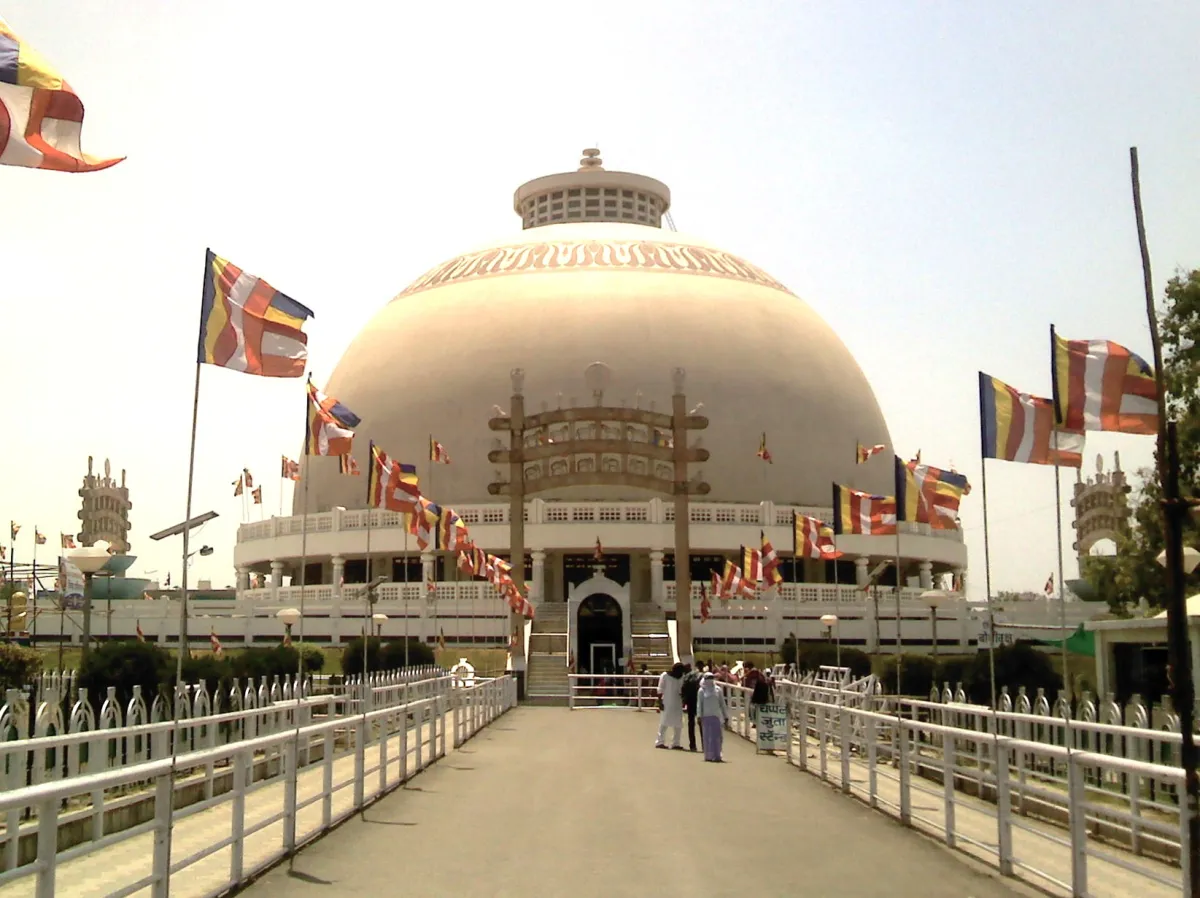
30 Best Places to Visit in Nagpur – Complete Tourist Guide
Pick one part of Nagpur for your first outing. Families can centre the day on Raman Science Centre, history visitors can pair Zero Mile with Central Museum, and…
Read more →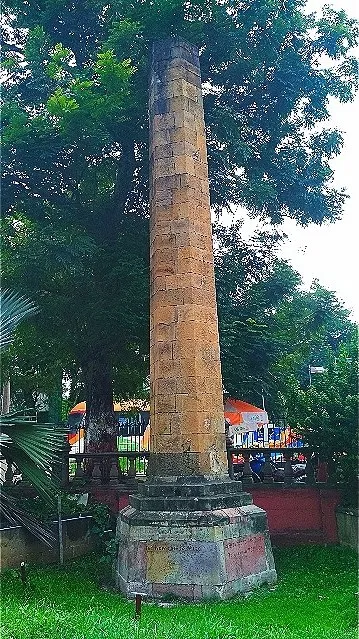
Zero Mile Stone – The Story Behind Nagpur's Historic Landmark
See Nagpur’s Zero Mile Stone near Vidhan Bhavan and learn how its sandstone pillar, horses and distance inscriptions relate to historical surveying.
Read more →Deekshabhoomi Nagpur – History, Significance and Visitor Guide
Plan a visit to the Nagpur stupa where Dr B. R. Ambedkar embraced Buddhism in 1956. Compare ordinary visits with pilgrimage days.
Read more →