Telankhedi Hanuman Temple – History and Religious Significance
Telankhedi Hanuman Temple is a devotional stop in the Telankhedi and Futala area of Nagpur.
Quick information
- Location
- Telankhedi, Nagpur
Telankhedi Hanuman Temple is a devotional stop in the Telankhedi and Futala area of Nagpur. For a first visit, distinguish the shrine entrance from map pins for the lake, garden and nearby roads. A short transfer may be easier than an assumed walking connection.
Visit the shrine first
Confirm darshan hours and any special arrangements before setting out, particularly when planning around a religious observance. Keep the temple as the first stop if worship is the purpose of the visit. Follow local guidance on shoes, offerings and taking photographs.
A second stop in the area
The lake can be an optional extension if a public waterfront section is open. A visit to the garden or hills is easier with daylight. Choose only one second stop to allow time for parking, road crossings and an unrushed visit to the temple.
Which Telankhedi attraction are you visiting?
Use the full name of the Hanuman shrine when choosing the route. The Telankhedi area includes several destinations with similar names, including a garden and a lake, and local pilgrim documentation distinguishes the Hanuman temple from the Kalyaneshwar Shiva temple. A route to one of those places may leave you with a different final approach from the one you intended. Confirm the entrance for the shrine where you want to worship.
Plan the temple as the first priority. At an active place of worship, a visitor follows the temple’s pace and directions. Go for darshan, then consider whether you have time to see another part of the publicly accessible premises. If your purpose is to see the neighbourhood rather than attend a ritual, leave some time for an outdoor stop after checking its access independently.
Darshan and practical etiquette
Check visitor hours and ask how to approach the shrine before leaving. If the temple has a particular programme on your date, ask about the arrival window and queue. Follow local instructions on footwear, offerings and personal belongings. Keep the entry clear and take any photos only where they are allowed. Ask before photographing people taking part in worship.
If visiting with children, explain what to expect before entering and keep the route simple. A short visit to the shrine can be a better fit than waiting through a programme the group did not plan for. If an older visitor needs seating or a shorter walk, ask what is available near the public entrance. Find out whether the final approach has steps or other barriers before choosing a drop-off.
When to visit and what to verify
Choose daylight for a first visit if you also plan to look around the area, since this makes it easier to check the route and move between sites. If visiting for a particular observance, confirm the schedule directly and allow for changes in the approach. A familiar road can work differently on a busy date. Agree on a meeting spot outside the crowded entrance when going with several people.
Do not rely on visitor photographs to establish which sections are open, whether an offering is accepted or what is permitted indoors. Ask the temple about current arrangements and whether there are any charges or advance arrangements for an activity you intend to use. If you are bringing luggage between appointments, check whether it can be carried or stored. A smaller bag and a clear plan reduce the amount of time spent at the entrance.
Can you combine the shrine with Futala?
Yes, if both places are accessible and you plan their entrances separately. Futala can work as a short lakeside stop after darshan. Use a permitted public approach and verify any programme before relying on it. Until you know the pedestrian route is comfortable, plan for a separate transfer. Road crossings, traffic and time of day can make a short map distance an unsuitable walk for some visitors.
Another option is a confirmed visit to a garden in the area. The College of Agriculture documents the Telankhedi and Satpuda gardens as distinct places. Choose one garden with verified access instead of assuming the same hours or entrance arrangements apply to both. If the weather changes, keep the shrine as the main visit and leave the outdoor extension for a different day.
A half day in western Nagpur
Leave for a confirmed darshan window and have a pickup plan in place before you arrive. Spend the main part of the outing at the temple. At the end, take a break and decide whether the lake or another destination fits. If it is hot, raining or late, return directly or use a meal stop on the way. Keep food outside the worship areas unless the temple directs visitors otherwise.
A driver who recognises the area may still need the temple name and exact entrance. If you are meeting somebody after visiting, give them the same location and a realistic time. An unhurried temple visit with one optional second stop is easier for a mixed group than trying to fit several nearby attractions into an uncertain darshan window.
Information sources
Related guides
Explore Around Nagpur →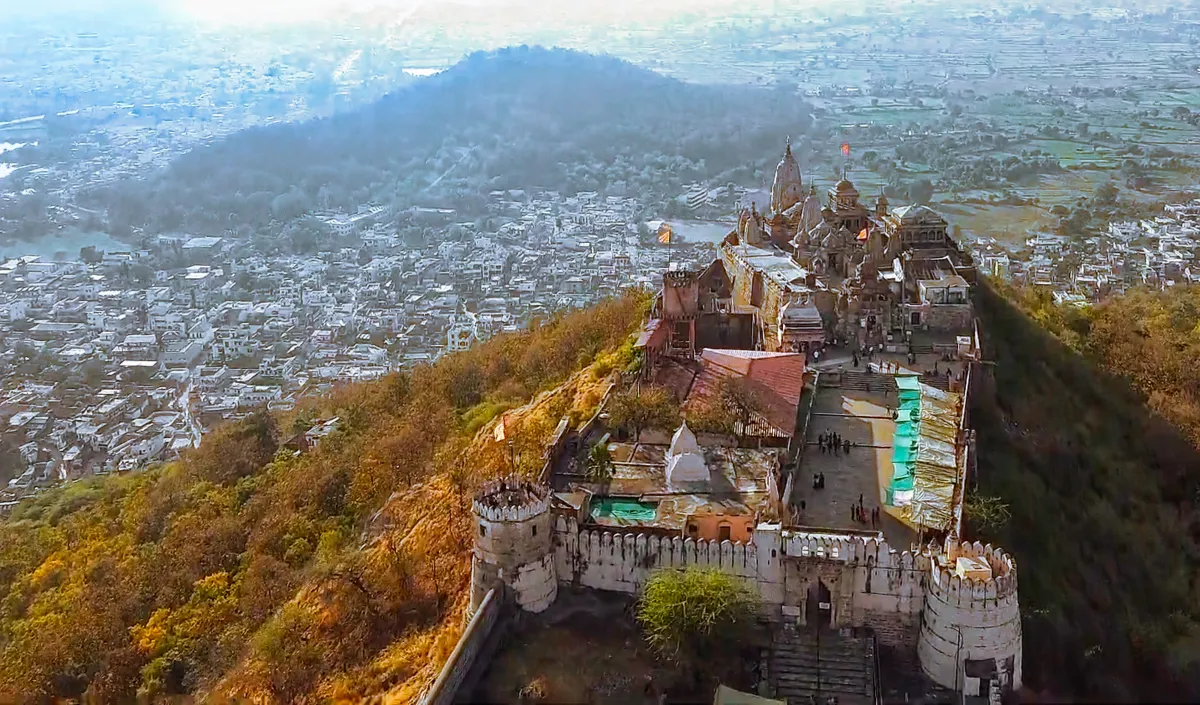
Ramtek Temple – History, Spirituality and a Scenic One-Day Trip
The hilltop Ramtek temple complex is a place of worship associated with Lord Rama. Visit for the temple and the view of the surrounding country. Incredible India…
Read more →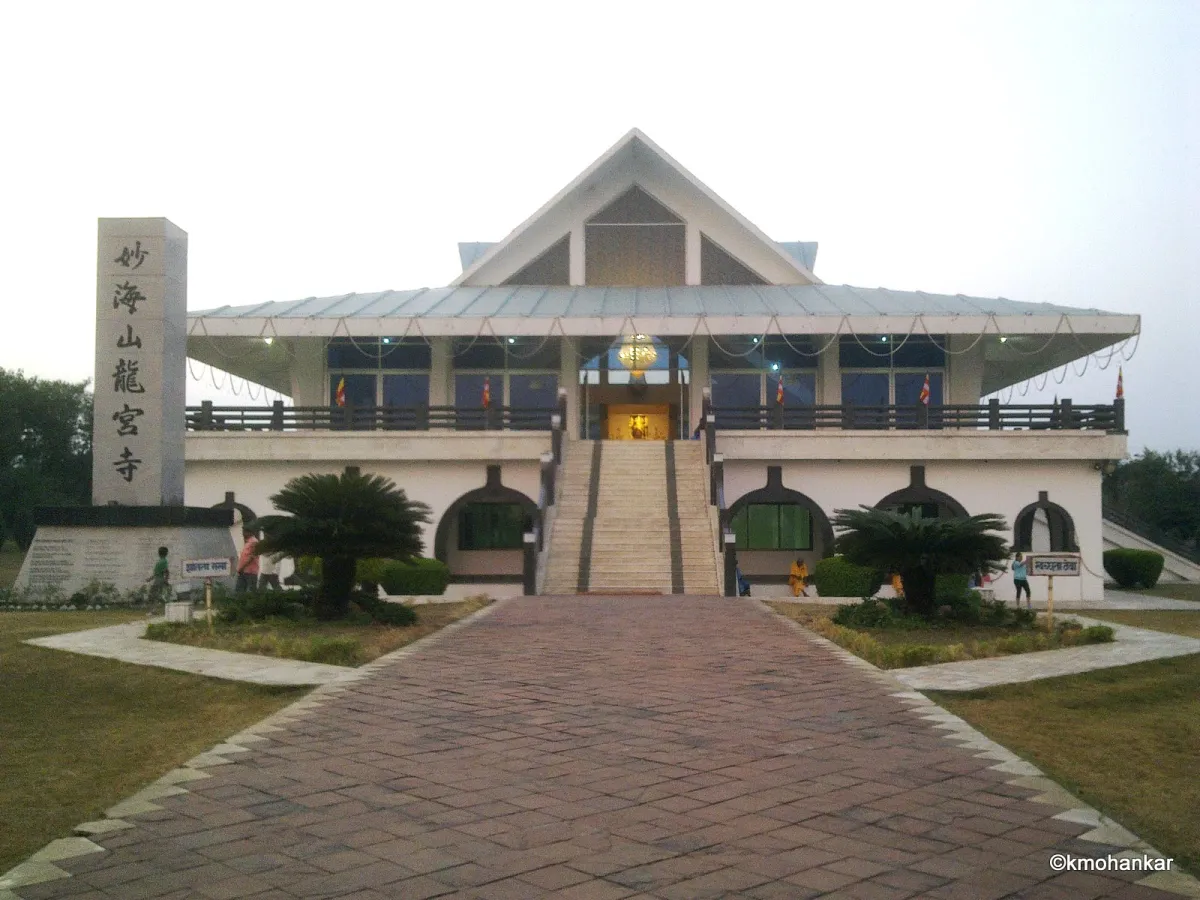
Dragon Palace Temple Kamptee – A Beautiful Buddhist Landmark
Visit Dragon Palace Temple in Kamptee with practical advice on temple etiquette, getting there from Nagpur and pairing it with Deekshabhoomi.
Read more →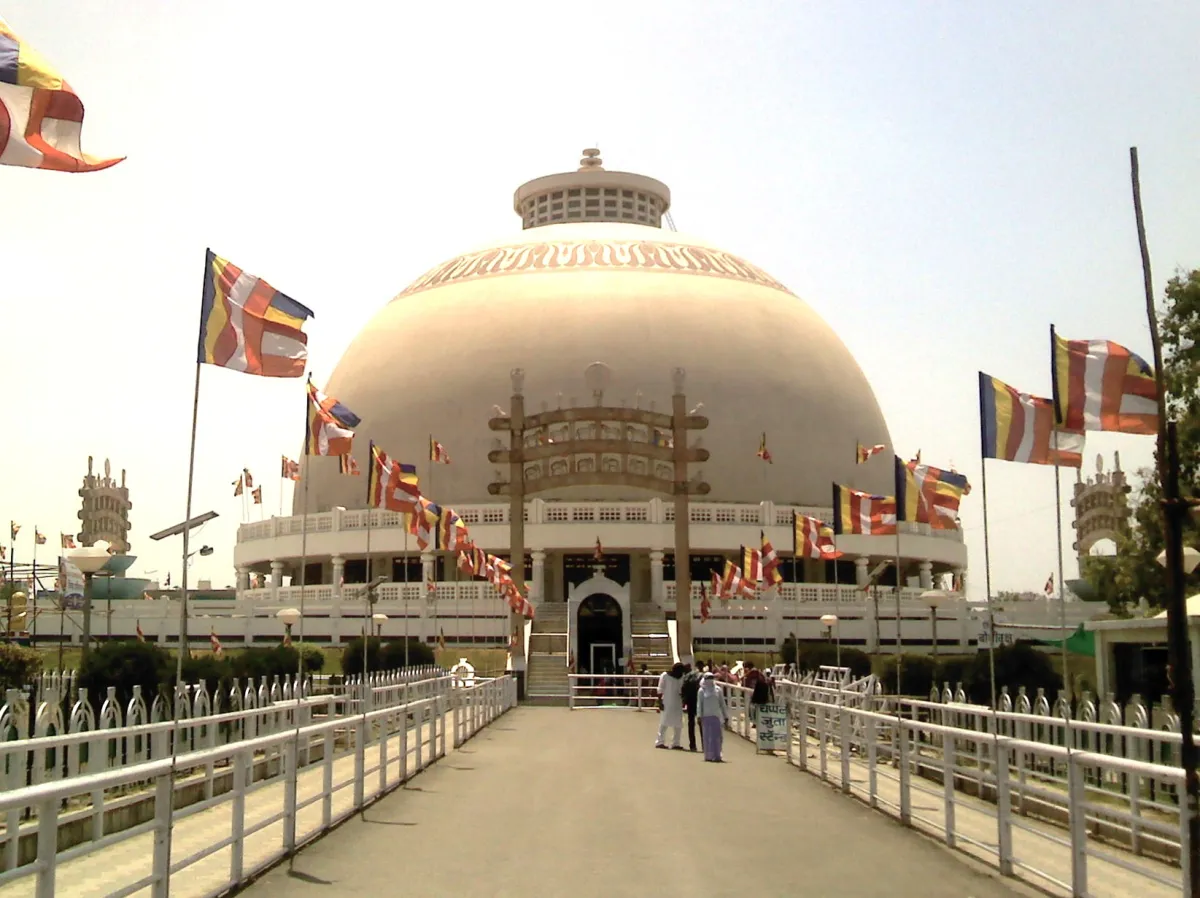
Deekshabhoomi Nagpur – History, Significance and Visitor Guide
Plan a visit to the Nagpur stupa where Dr B. R. Ambedkar embraced Buddhism in 1956. Compare ordinary visits with pilgrimage days.
Read more →